Spec-Driven Development: A Better Path Than Vibe Coding
- Spec-Driven Development
- Vibe Coding
- AI Code Review
- Software Delivery
A working prototype and a working product are not the same thing, and that gap is where a lot of AI assisted projects quietly stall. A prompt can produce a polished front end in minutes: a form, a preview screen, a dashboard that looks finished. A front end is only a small slice of what a real application needs. The data model, the business logic, the edge cases a real user will eventually hit: none of that shows up in a demo.
The Gap Between A Generated Front End And A Working Product
Open-ended prompting is genuinely useful for exploring an idea quickly. Type a rough description of a feature and a model returns boilerplate that gets a conversation started. The trouble shows up once a team tries to turn that boilerplate into something clients or users will depend on. The same vague prompt run twice can produce two different implementations, because nothing about the request pinned down which decision was correct. Multiply that across a real product, with authentication, payments and third party data, and the back and forth needed to reach a usable result can outlast simply specifying it properly up front. A generated interface can look production ready while the logic behind it is still undefined: exactly the mismatch that causes trouble once real users arrive.
Specifying Behaviour Before Writing Any Code
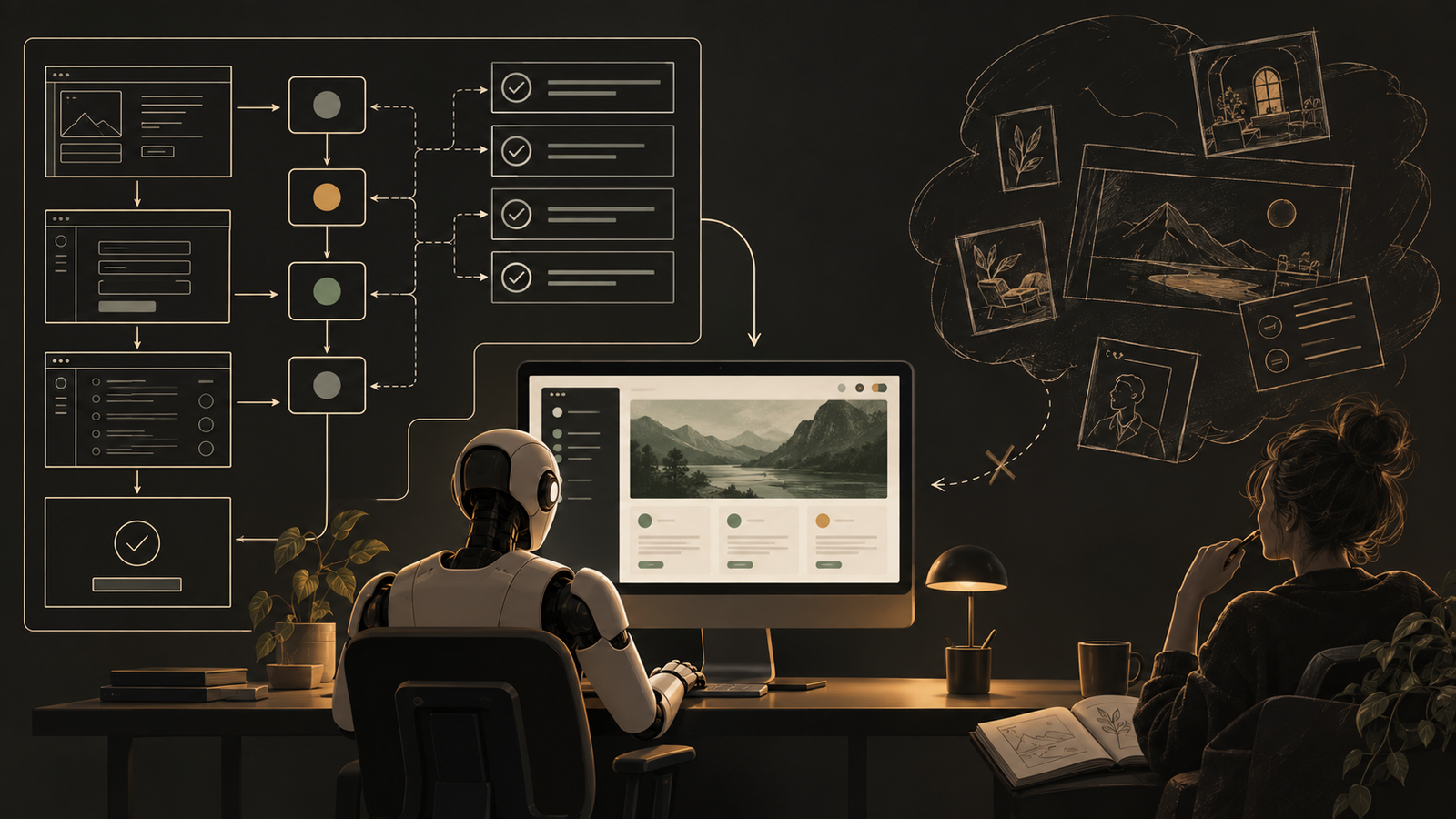
A more reliable pattern flips the order of operations. Instead of starting from a specific implementation, the team starts from a specification: what the system should do, what constraints it has to respect. That specification becomes a requirements document, and the requirements document becomes the artifact that implementation, tests and documentation all get generated from. Because the requirements exist before any code is written, they can be reviewed while changes are still cheap. A login feature can have its endpoint, its expected inputs, its failure behaviour and its test cases defined before an agent writes a single line of the handler. That is closer to test driven or behaviour driven development, pushed one step earlier: agree on the edge cases first, then let generation fill in an implementation that already has a target to hit.
Where AI Assisted Editors Fit Into A Disciplined Process
Modern development environments already support this kind of discipline. Editors with AI built in can reference the surrounding codebase rather than generating in a vacuum, matching existing patterns instead of producing something generic. They can propose a first draft for a described behaviour, flag issues through continuous linting, and suggest refactors based on how code is actually used elsewhere in the project. None of that removes the need for a person to read the result. A generated draft is a starting point, not a merge candidate: the same discipline that makes a specification worth writing is what makes a review worth doing before that draft ships.
Conclusion
None of this argues against using AI to write code. It argues for treating generation as one stage in a process that still needs the stages either side of it: a clear specification of what is being built, a human review of what came back. Teams that skip straight from a rough idea to a shipped feature tend to discover the missing logic in production, the most expensive place to find it. Teams that specify behaviour first, generate against that specification, then review before merging get the same speed without the same risk. For web products built with AI assistance, that ordering, spec first, generation second, senior review always, is what turns a fast demo into software a business can run on.
Frequently asked questions
What is spec-driven development in AI coding?
Spec-driven development is an approach where a team writes a specification of the desired behaviour and constraints before any code is generated, then turns that specification into a requirements document that implementation, tests and documentation are generated from.
Is vibe coding good enough for a production app?
Vibe coding is useful for exploring an idea quickly, but a generated front end is only a small slice of a working product, so it is not enough on its own for authentication, business logic and other production concerns.
Why does the same AI prompt produce different code each time?
A vague prompt does not pin down which implementation decision is correct, so running the same prompt twice can produce two different results, which is one of the core problems spec-driven development addresses.
Do AI assisted code editors remove the need for code review?
No, AI assisted editors can produce a first draft that matches existing codebase patterns, but that draft is a starting point rather than a merge candidate, and still needs a person to review it.
How is spec-driven development different from test-driven development?
Spec-driven development is closer to test-driven or behaviour-driven development pushed one step earlier, since it starts from a specification of behaviour and constraints before any tests or code are written.
Put this into practice
Explore the services related to this article.
A short note about the product, the timeline and who it is for is enough to start. You will hear back from the engineer who would do the work, not a sales team.
Start a partnership