Browser extension development

Chrome Extension Development

One thing separates extension work from ordinary web development: your code runs inside a page you do not control. The host site can change its markup tomorrow, the browser can tighten permission rules, the store can update its review policy, and none of that arrives with a migration guide. Curiosive is a software studio run from Ankara, Türkiye, shipping production software for more than five years, and several of our live products include browser extensions.

Extension projects tend to be single-purpose and tightly focused, so a first version is usually discussed against MVP pricing from $5,000. That is a starting point, not a fixed quote. How many browsers you are targeting, whether the extension talks to its own backend and whether it needs user sessions all move the number. Scope is agreed in writing after discovery.

01

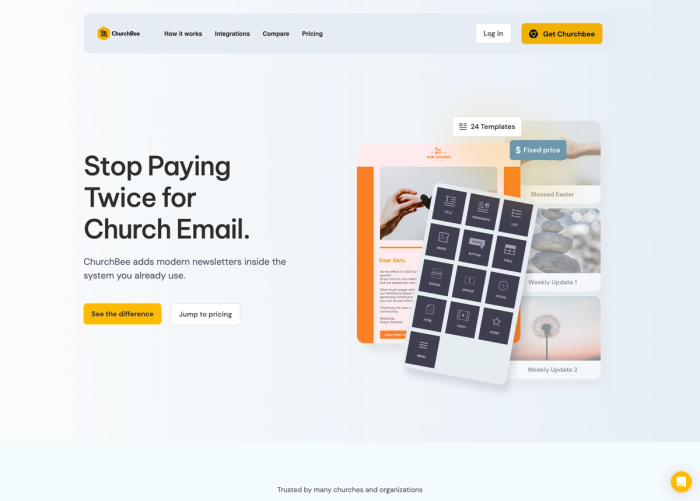
Working inside someone else's interface: ChurchBee

ChurchBee (https://bee.church) is a Chrome extension that makes newsletter building easier for churches. Instead of moving people into yet another dashboard, it puts a drag and drop editing experience inside the platform they already use. The price of that approach is dependency: when the host platform changes its own markup, the extension can break quietly. So you avoid binding to fragile selectors, keep every attachment point in one place in the codebase, and run a check that catches the breakage before a user reports it.
02

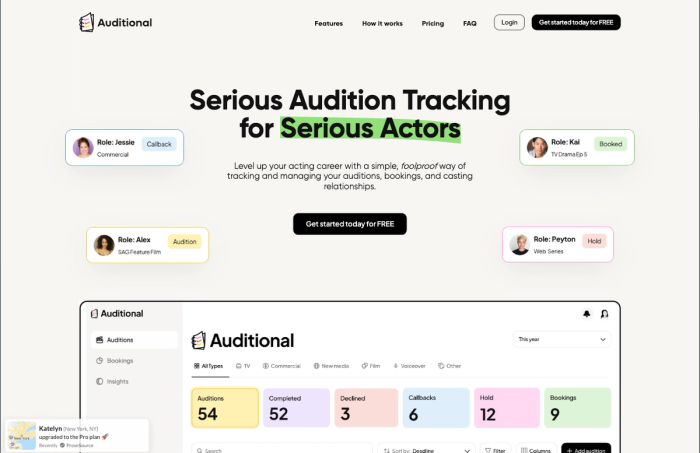
Chrome, Safari and Firefox: Auditional

Auditional (https://auditional.com) tracks auditions for more than 2,000 actors, and its one-click import runs through browser extensions published for Chrome, Safari and Firefox, with Svelte on the interface side. Most of the logic is shared. Packaging and release are where they diverge: the Safari build is wrapped with Xcode and enters a separate Apple review, while Firefox differs in manifest handling and background behaviour. Planning for those differences at the start is cheaper than discovering them the week you wanted to ship.

03

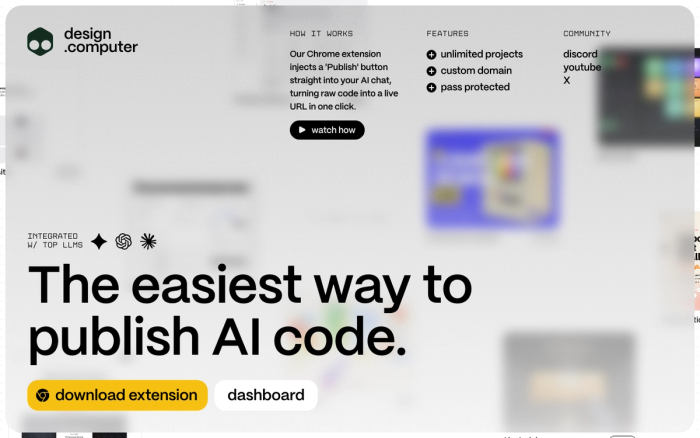
What Manifest V3 changes: design.computer

design.computer (https://design.computer) publishes AI-generated code in one click, and its Chrome extension works alongside Cloudflare Workers, D1 and R2. That architecture is not decoration. Under Manifest V3 the background layer is a service worker that shuts down when idle, not a page that stays alive. Long-running uploads and transformations are unreliable if you keep them inside the extension, so the work moved server side and the extension stayed what it is good at being: a trigger and an interface.

04

Permissions, store review and security

Broad permissions with thin justification are among the most common reasons an extension gets rejected. We keep requested permissions to the smallest set that actually works and document which domains are accessed and why. Our development is AI-assisted, but where session tokens are stored, what data injected code can touch and how the authorization flow behaves go through senior engineer review. An extension can see every page a user visits, which makes that review a step nobody gets to skip.

Questions

The things people ask before starting.

What does a Chrome extension cost to build?

A focused first version starts from $5,000 under our MVP pricing. Target browser count, whether users need to sign in and what backend the extension connects to all shift the figure. It is a starting point, and final scope is agreed in writing after discovery.

Will the same extension work on Safari and Firefox?

Most of the logic can be shared, but each browser has its own packaging and publishing path. For Auditional we shipped Chrome, Safari and Firefox versions. The Safari build is packaged with Xcode and goes through a separate Apple review with its own timeline.

How long does store approval take?

It varies by store and by the permissions you request, so we do not promise a number of days. What shortens it most reliably is asking for narrow permissions and making the privacy disclosure match the extension's actual behaviour exactly, with no leftover claims from an earlier draft.

Can the extension use our existing user accounts?

Yes. It can connect to your current authentication system, recognise a signed-in user and behave differently by role. Where tokens are stored and how they refresh is one of the areas that gets senior engineer review rather than being left to generated code.

Contact

Looking for an engineering partner for the long haul?

A short note about the product, the timeline and who it is for is enough to start. You will hear back from the engineer who would do the work, not a sales team.

Ankara / Türkiye · Working across European and US time zones