Skip to content
San Antonio, Texas · Casting software and audition imports

Casting Software Browser Import Development for San Antonio Teams

Actors already receive audition details in the casting platforms they use. A tracker becomes useful when it can bring the right information into a personal record with a clear way to review and correct it. We help San Antonio casting-software teams build that source-to-tracker workflow through focused browser integrations and application screens.

Our US portfolio includes Auditional, an audition management platform with Chrome, Safari and Firefox extensions that import records from Actors Access and Casting Networks. Manual entry supports auditions from other sources. It gives us a concrete reference for connecting existing browser work to a tracking product. Curiosive combines AI-accelerated engineering with human review and a long-term partnership as the sources and actor workflows change.

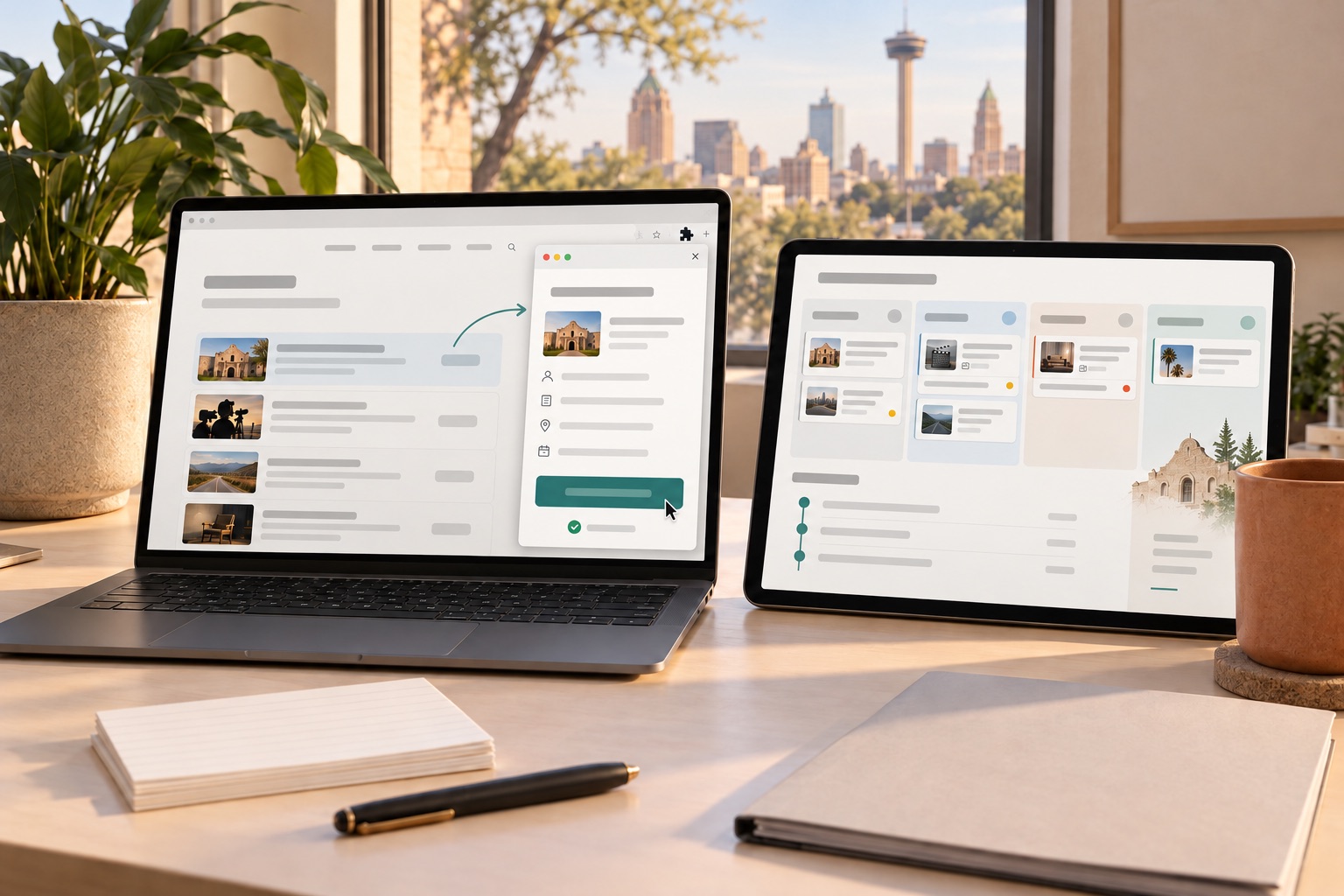
Concept of a casting listing imported through a browser panel into an audition tracker
AI-generated concept artwork for audition imports; not an Auditional screenshot or real casting notice.
5+
years building for production
12
countries the work runs in
100%
of code read by a senior engineer
1 day
to hear back, from the engineer
Browse industry workflows →

Define the record before defining the import button

Bring representative audition sources and agree which fields belong in the tracker. A source identifier, title, role, deadline and status may have different completeness and update rules. Decide how the user sees a missing field and which details they can correct after import. Keep the relationship to the original source understandable. A precise target record gives the extension and web application the same definition of success, including cases where the source does not supply every detail.

Relevant work: Auditional's cross-browser import

The published Auditional case covers an audition tracking platform with one-click import from Actors Access and Casting Networks through Chrome, Safari and Firefox extensions. Other auditions can be added manually. The web application tracks statuses and deadlines and presents insights about auditions, callbacks and bookings. Svelte, TypeScript, Firebase and Tailwind CSS form the stack. The project is recorded in the United States. We use this delivered workflow to frame a new San Antonio product with its own supported sources, field mappings and acceptance examples.

Make duplicates and corrections predictable

A user may import the same audition again or correct information the source did not provide. Agree whether a repeated import opens the existing record, proposes an update or creates a separately identified entry. Decide which user corrections should survive another import. Manual and imported auditions should follow compatible tracking rules while retaining the intended source context. Review changed deadlines and similarly named auditions with representative examples before expanding to more sources or automating later updates.

Treat supported pages and browsers as release scope

Source pages change, and a browser import cannot assume every page has the expected fields. Define the supported page states and what happens when extraction is incomplete or unavailable. The extension should give the user an understandable result and recovery path after an interrupted request. AI accelerates familiar components and implementation options; engineers review extraction mappings, record behavior and the supported browser examples. Adding a new source needs its own assessment and acceptance set rather than an assumption that an existing integration covers it.

Review one source audition through import and correction

For a new engagement, bring approved source examples, the target audition fields and the duplicate policy. Proposed acceptance examples: the selected source creates the intended tracker record; a second import follows the agreed duplicate rule; a missing deadline remains visibly incomplete; and a corrected field preserves the approved source relationship. Review an unsupported page, an interrupted import and a manual entry alongside the successful path. These are proposed checks for your tracker, not additional claims about Auditional's historical import, synchronization or browser tests.

A product partner as the tracking workflow evolves

Actor feedback can reveal confusing imported details, missing status actions and source changes that affect the daily workflow. We work with your team on a shared backlog and reviewed releases so those findings improve the tracker and its extensions together. Monthly AI-accelerated development starts from $2,000, with capacity, supported integrations and operating responsibilities agreed in writing. Curiosive LLC collaborates remotely with San Antonio teams through agreed Central-time review windows, with engineering led from Ankara. The ongoing partnership keeps the next import change connected to the application people return to.

Questions

The things people ask before starting.

Can you build browser imports for a San Antonio casting-software team?

Yes. Bring the supported source pages, target record fields and duplicate policy. We can scope one complete import and correction journey before adding more sources or browsers.

What does Auditional demonstrate?

Its published case covers browser imports from Actors Access and Casting Networks, manual entry and an audition tracker with statuses and deadlines. It is a US portfolio example used to frame your separate engagement.

Can imported and manually entered auditions share one tracker?

Yes. Agree the common record fields and tracking behavior while retaining the intended source context. Duplicate and correction rules should apply consistently across both entry paths.

Can you maintain imports when casting sites change?

Yes. A continuing engagement can prioritize supported-source changes and user feedback through a shared backlog, with coverage and release responsibilities agreed in writing.

How it starts

What happens after you write to us.

  1. 01

    You describe the product

    One paragraph on what you are building, roughly when you need it, and who it is for. No brief, no form with fifteen fields.

  2. 02

    You get a reply within a day

    From the engineer who would do the work, not a sales team. If we are not the right fit we say so, and where possible we point you somewhere better.

  3. 03

    You get a scoped plan

    Scope, price and timeline in writing before anything is committed. You decide with the numbers in front of you.

No long contract to begin, no lock-in to our tooling, and the code is yours from the first commit.

Start a conversation
Contact

Looking for an engineering partner for the long haul?

A short note about the product, the timeline and who it is for is enough to start. You will hear back from the engineer who would do the work, not a sales team.

Ankara / Türkiye · Working across European and US time zones