Skip to content
Minnesota · Password-manager product development

Password Manager Software Development for Minnesota Teams

A password manager reaches people through several entry points: a website explaining the product, an application holding the account, an extension at sign-in and a checkout for the chosen plan. We help Minnesota product teams connect those experiences so account behavior and subscription access remain understandable across the product.

Our PicKey case, recorded in India, describes a visual password manager spanning a Next.js marketing site, a web app, browser extensions and Stripe subscriptions. That scope gives us a concrete reference for delivering connected product surfaces. Curiosive works as a long-term product partner, with AI accelerating implementation and engineers reviewing the decisions and behavior that each release introduces.

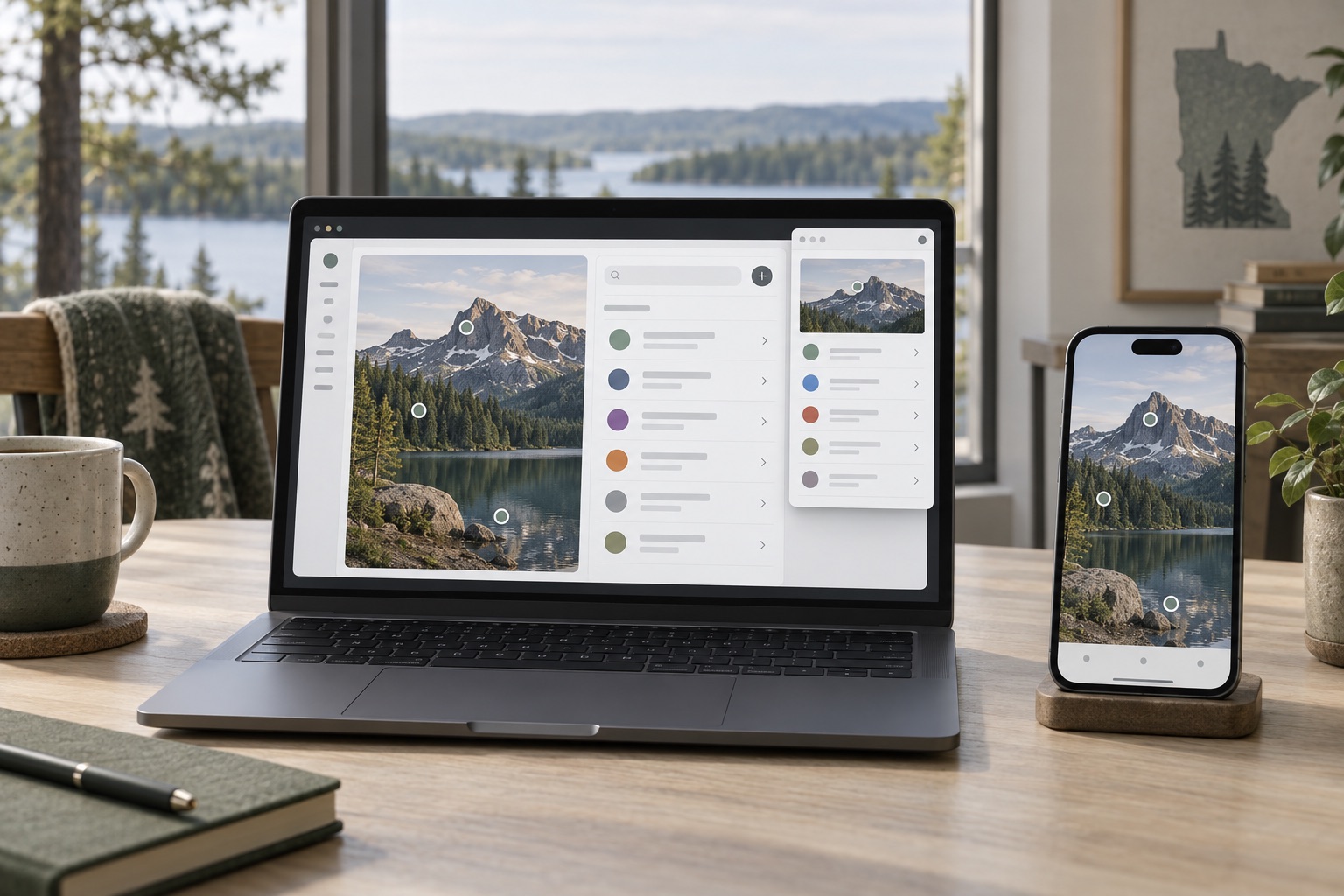
Concept of a visual account interface on a laptop with a browser panel and matching phone screen
AI-generated concept artwork for a visual password-manager product; not a PicKey screenshot.
5+
years building for production
12
countries the work runs in
100%
of code read by a senior engineer
1 day
to hear back, from the engineer
Browse industry workflows →

Explain the product before asking someone to install it

A new authentication approach needs an understandable first encounter. The website should explain the intended journey, show where the app and extensions fit, and send each visitor to a supported destination. Agree which claims the team can substantiate and which account actions belong in the application. Plan pricing, installation and account help as connected pages. A visitor who reaches an unsupported browser or cannot finish installation needs a useful next step that the product team can maintain.

Relevant work: PicKey's connected product surfaces

PicKey uses points selected in a person's photographs as a visual credential concept. The published case covers a Next.js, React and TypeScript marketing site exported as static pages, a web application and browser extensions that fill credentials at sign-in. The website presents the image-based login, MagicPass, pricing and download links for Chrome, Firefox, Edge and Safari. Checkout pages use the Stripe Payment Element for paid and family plans. The portfolio records the project in India. We reference this delivery scope when defining a separate Minnesota product; the case does not provide an independent cryptographic audit or a certification result.

Keep account and plan behavior consistent

Choose the system that owns account identity and the system that owns subscription status. Document how that state reaches the web app and each extension, including renewal, cancellation and a delayed update. Decide what the member sees while a change is pending. A family plan also needs clear membership and administration rules. Reviewing these journeys together helps avoid separate interpretations of the same plan in checkout, the account screen and the browser. Begin with the smallest plan model the team can explain and support.

Scope browser behavior and security review together

List the supported browsers and the sign-in interactions each extension will handle. The team needs explicit behavior for an unsupported field, a changed page and an interrupted account session. Credential storage, recovery, permissions and security evaluation require their own architecture decisions and review owners. AI can accelerate repetitive interface code and implementation exploration; engineers remain responsible for reviewing changes. Agree the evidence required before release with the people accountable for the product's security, alongside the everyday installation and account journeys.

Review one account across the website, extension and checkout

For a new engagement, bring the approved account model, supported browsers and plan entitlements. Proposed acceptance examples: an extension download opens the intended store destination; the same signed-in account sees the approved plan in the app and extension; a completed or interrupted checkout follows the agreed entitlement rules; and signing out produces the intended state on each supported surface. Security architecture and its independent review need explicit scope alongside these product checks. These are proposed checks for your product, not additional claims about PicKey's historical security testing or certification.

A product partner for changes after installation

Browser releases, website changes and subscription questions keep producing work after the first launch. We collaborate with your team on a shared backlog, documented decisions and reviewed releases so the website, app and extensions evolve together. Monthly AI-accelerated development starts from $2,000, with capacity, review responsibilities and support coverage agreed in writing. Curiosive LLC works remotely with Minnesota teams through agreed Central-time review windows, with engineering led from Ankara. Our role is to keep improving the product with your team as its users and operating needs change.

Questions

The things people ask before starting.

Can you develop a password-manager product for a Minnesota team?

Yes. We can scope the website, account application, extensions and subscription journeys around your approved architecture. Security evaluation and release responsibilities are defined alongside the engineering work.

What does your PicKey work establish?

The published case describes connected website, web app, browser-extension and subscription surfaces for a visual password manager recorded in India. It provides delivery evidence for those surfaces; it does not establish an independent security audit for a new product.

Can we add another browser after launching the web app?

Yes. Agree the supported account and sign-in behavior first, then scope the additional browser's extension, installation path and review requirements. The shared plan model should remain consistent across the new surface.

How does AI acceleration fit into a security-sensitive product?

AI can help implement familiar components and explore code options. Engineers review changes, while architecture, credential handling and security evaluation remain explicit product responsibilities with agreed review owners.

How it starts

What happens after you write to us.

  1. 01

    You describe the product

    One paragraph on what you are building, roughly when you need it, and who it is for. No brief, no form with fifteen fields.

  2. 02

    You get a reply within a day

    From the engineer who would do the work, not a sales team. If we are not the right fit we say so, and where possible we point you somewhere better.

  3. 03

    You get a scoped plan

    Scope, price and timeline in writing before anything is committed. You decide with the numbers in front of you.

No long contract to begin, no lock-in to our tooling, and the code is yours from the first commit.

Start a conversation
Contact

Looking for an engineering partner for the long haul?

A short note about the product, the timeline and who it is for is enough to start. You will hear back from the engineer who would do the work, not a sales team.

Ankara / Türkiye · Working across European and US time zones