Framer or Next.js

Framer vs Next.js: which one fits you?

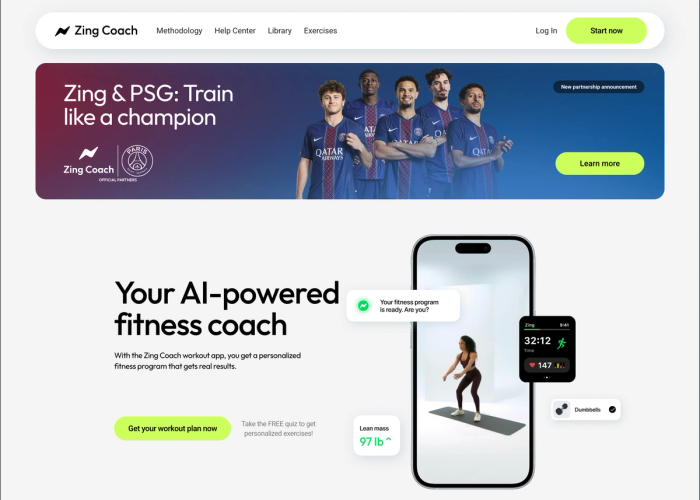
Framer is a fast, enjoyable tool for design-led marketing sites. Next.js is a web application framework. Comparing them is not really a matter of two products doing the same job, it is a way of getting clear about which job is actually yours.

We work on the Next.js side, and we have also talked plenty of companies out of migrating sites that were fine where they were. Below are the places Framer is genuinely strong, where the ceiling starts to show, and the concrete criteria a migration decision should hang on.

01

The two tools do not solve the same problem

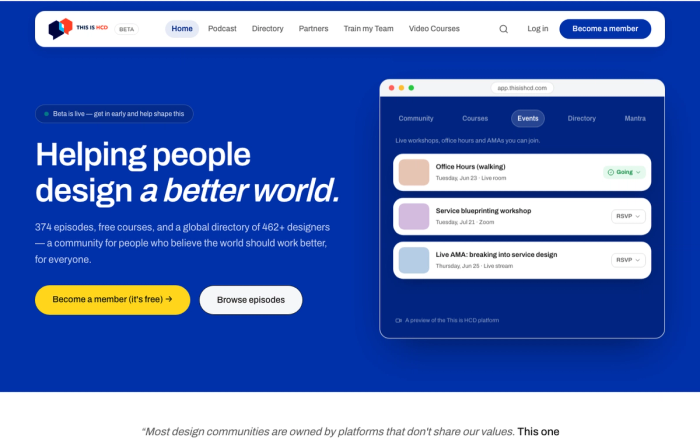
Framer is strong on the path from design to publish. A designer builds the layout, tunes the interactions and ships the same day. Next.js is strong on interfaces that need data, state management and authentication. For a campaign page, a product overview or an investor-facing site, Framer is usually more than sufficient. Once users log in, see their own data and pay for something, the tool changes. The useful question is not which is better, but whether your site or your product is the thing that is growing.


02

When you should stay on Framer

If you have a designer who can publish pages without asking anyone, that is a serious advantage and not one to give up lightly. If your site is a handful of pages, your content structure is flat and predictable, and your engineering capacity is busy on the product, staying on Framer is the right call. At early-stage companies the positioning message changes monthly, and putting that churn through code review and a deploy cycle slows you down. Waiting until the message settles and you hit a real technical limit is usually cheaper.

03

The animation worry: Framer Motion already runs on Next.js

The concern people raise most often is losing the motion and transition feel they built in Framer. In practice this is not a constraint. Framer Motion is an independent animation library used in React and Next.js projects. We built Miray Yapım's bilingual site with Next.js and Framer Motion, and page transitions, scroll responses and entry animations all live directly in code. Animation quality is not a reason to stay on Framer. The real reason is your designer's publishing autonomy and iteration speed.

04

What a Framer to Next.js migration looks like

Framer sites are usually small, so the migration is more a design transfer job than it is with WordPress. We take a page inventory, rebuild repeated blocks as components and map the type and spacing system onto a Tailwind scale. For frequently changing copy we connect a headless CMS, which gives the marketing side back some of its publishing autonomy. Old addresses get redirects. Marketing site scope starts from $2,000 and scopes needing user login and data from $5,000, with the exact figure confirmed after discovery.

Proof

Products we shipped with exactly this.

Questions

The things people ask before starting.

Is Framer good enough for SEO?

For the basics it usually is: titles, descriptions, sitemaps and readable addresses are all manageable. The ceiling shows up when you want to generate hundreds of pages programmatically, build complex schema markup, or fine-tune rendering and cache behaviour.

Can I build user login and a database in Framer?

In a limited way, by connecting external services, but the setup becomes fragile once account screens, authorisation rules and your own data model come into play. At that point Next.js with Supabase or PostgreSQL gives you far more predictable ground.

Will my Framer design look identical in Next.js?

The aim is not to copy it but to rebuild the same design intent with a component system. Typography, spacing and motion decisions are preserved, and you gain more control over responsiveness and accessibility. We talk through the differences page by page during discovery.

Can I use both Framer and Next.js together?

Yes, this is a common arrangement. Marketing pages stay in Framer, the application path is built in Next.js, and the two are joined under one domain. The only downside is the risk of two design systems drifting apart over time.

Contact

Looking for an engineering partner for the long haul?

A short note about the product, the timeline and who it is for is enough to start. You will hear back from the engineer who would do the work, not a sales team.

Ankara / Türkiye · Working across European and US time zones