Skip to content
Raleigh, North Carolina · Professional learning memberships

Membership Learning Platform Development for Raleigh Teams

A professional learning membership has to connect what someone can study with the sessions and conversations they can join. A course catalogue alone does not define that relationship. We help Raleigh educators, training businesses and professional communities build software around member access, progress and the team's day-to-day publishing work.

Our Club 2030 case describes a Hebrew, right-to-left Next.js and Supabase platform with courses, recordings, live sessions and a professional forum. It is a delivery reference for the underlying membership workflow, rather than evidence of a Raleigh client. Curiosive uses AI to accelerate implementation while engineers review the access model and release behavior, then stays involved as a long-term product partner.

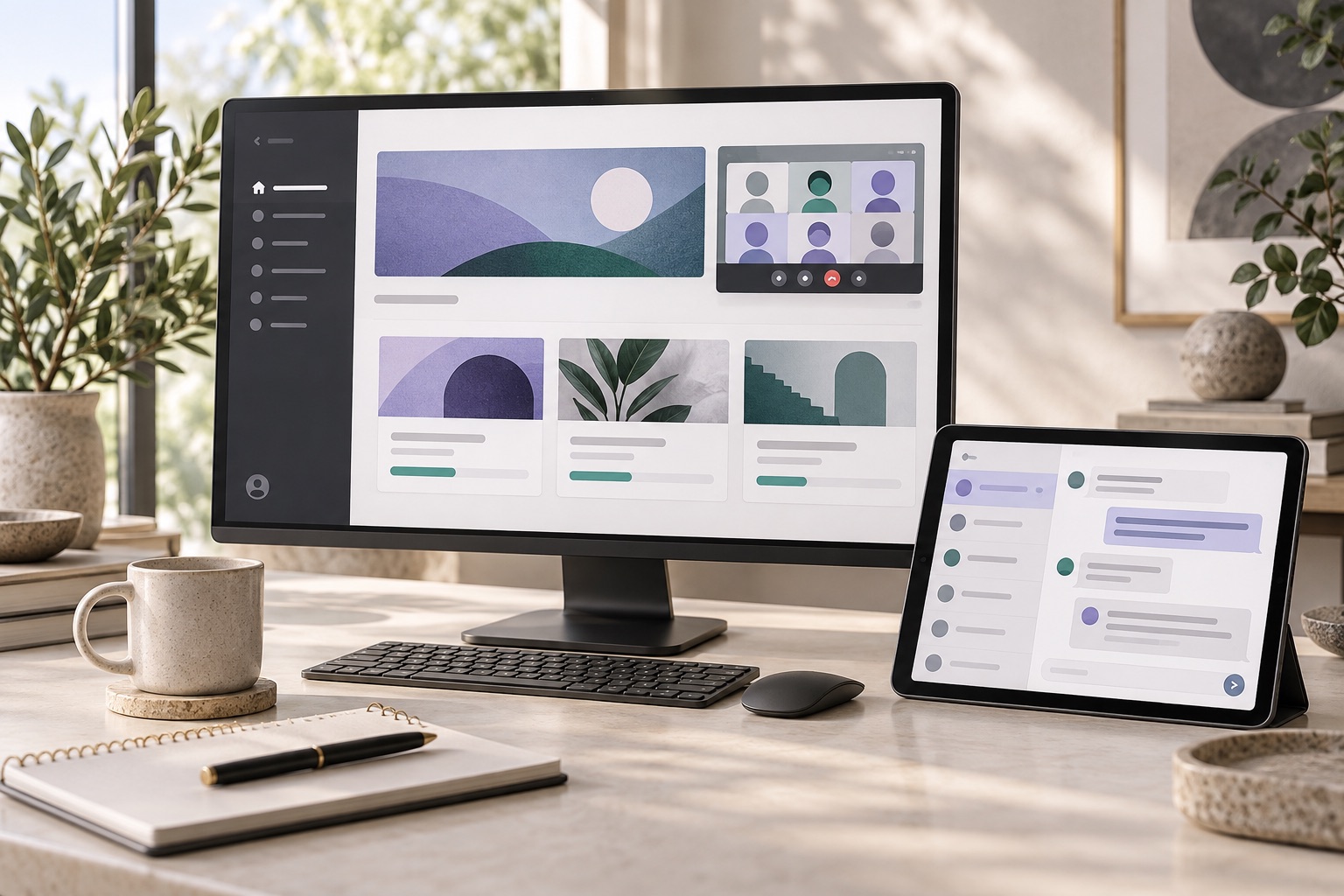
Concept of a course dashboard with a live learning session and a member discussion tablet
AI-generated concept artwork for a learning membership platform; not a Club 2030 screenshot.
5+
years building for production
12
countries the work runs in
100%
of code read by a senior engineer
1 day
to hear back, from the engineer
Browse industry workflows →

Define what membership allows a person to do

Begin with the relationship between an account, its role and the content it can open. A member may have access to one course, a library, a scheduled session or a discussion area. Decide how those permissions change after an upgrade, cancellation or manual correction. Keep the policy understandable to the team answering member questions. Establish which system supplies subscription status and how an interrupted update is recovered. That access model should shape the data and administration tools before the catalogue grows.

Relevant work: Club 2030's learning community

Club 2030 combines structured courses and lesson completion, recorded tutorials, scheduled events with an embedded Zoom live room, and forums with rich text and mentions. Its Next.js, React, TypeScript and Supabase stack also supports profiles, messages, notifications and an administration area. Subscription roles control access to content and sessions, with Supabase row level security enforcing rules in the database. The published case is a Hebrew, right-to-left product. We use its documented scope to discuss a separate Raleigh engagement with its own language, content and subscription requirements.

Connect progress, live sessions and recordings

Map the member's next action after opening a lesson. They may mark progress, attend a session, revisit a recording or ask a question in a course discussion. Give each activity a clear destination and decide which context follows the member between them. Session times need an agreed display policy, and a recording needs an owner who publishes it to the correct audience. Review a rescheduled event and a member returning after an absence as carefully as the first successful signup.

Give community operations a workable interface

The team needs to publish content, correct access and moderate discussion without losing track of what members can see. Design those administrative tasks with the people performing them. Make permission changes explicit and keep member-facing explanations aligned with the approved policy. AI can speed up interface implementation and help explore component options; engineers still review protected data access and the complete workflow. Product features that generate lesson material or answer member questions need their own content approval and evaluation scope.

Review a membership change across the learning journey

For a new engagement, bring the proposed membership roles, example lessons and a live-session schedule. Proposed acceptance examples: an eligible member opens the agreed lesson and retains completion progress; an ineligible account cannot read the protected record through a direct request; a changed subscription role follows the approved access policy; and a rescheduled session displays the same time in the event list and joining view. Check the member and administrator journeys separately. These are proposed checks for your learning platform, not additional claims about Club 2030's historical acceptance process.

A product partner as the learning offer evolves

New courses, changing membership levels and feedback from live sessions keep shaping the platform after launch. We work with your team on a shared backlog and reviewed releases so the software can follow those changes. Agree content ownership, engineering capacity and operational responsibilities in writing. Monthly AI-accelerated development starts from $2,000. Curiosive LLC works remotely with Raleigh teams through agreed Eastern-time review windows, with engineering led from Ankara. The ongoing relationship connects implementation decisions to how the membership actually operates.

Questions

The things people ask before starting.

Can you build a paid learning membership for a Raleigh organization?

Yes. Start with the membership roles, one course and a live-session journey. We can scope those workflows around your approved subscription policy, content owners and existing systems.

What does the Club 2030 case demonstrate?

The published case covers a Hebrew learning community with courses, completion tracking, recordings, live sessions, forums and role-based access enforced through Supabase. Your Raleigh platform would have its own language, content and acceptance scope.

Can we keep our current billing provider?

We can assess its supported integration and how it reports subscription changes. The first step is to agree which system owns membership status and what access should do when an update is delayed or corrected.

Can you continue improving the platform after the first release?

Yes. A monthly engagement can cover an agreed backlog of member feedback, administration improvements and new learning workflows. Capacity, review windows and support responsibilities are defined in writing.

How it starts

What happens after you write to us.

  1. 01

    You describe the product

    One paragraph on what you are building, roughly when you need it, and who it is for. No brief, no form with fifteen fields.

  2. 02

    You get a reply within a day

    From the engineer who would do the work, not a sales team. If we are not the right fit we say so, and where possible we point you somewhere better.

  3. 03

    You get a scoped plan

    Scope, price and timeline in writing before anything is committed. You decide with the numbers in front of you.

No long contract to begin, no lock-in to our tooling, and the code is yours from the first commit.

Start a conversation
Contact

Looking for an engineering partner for the long haul?

A short note about the product, the timeline and who it is for is enough to start. You will hear back from the engineer who would do the work, not a sales team.

Ankara / Türkiye · Working across European and US time zones