Skip to content
Seattle, Washington · Multilingual learning communities

Multilingual Learning Platform Development for Seattle Teams

Serving a learning community in several languages affects more than translated labels. Course identity, reading direction, discussion and member progress need to work together. We help Seattle education and professional-community teams define those relationships and build a platform their content owners can maintain.

Our Club 2030 case describes a Hebrew, right-to-left learning membership built with Next.js and Supabase. Its courses, live sessions and community features provide a concrete delivery reference for designing around a language's reading direction. A multilingual Seattle platform would have its own languages and content model. Curiosive combines AI-accelerated engineering with human review and a long-term product partnership as that learning offer develops.

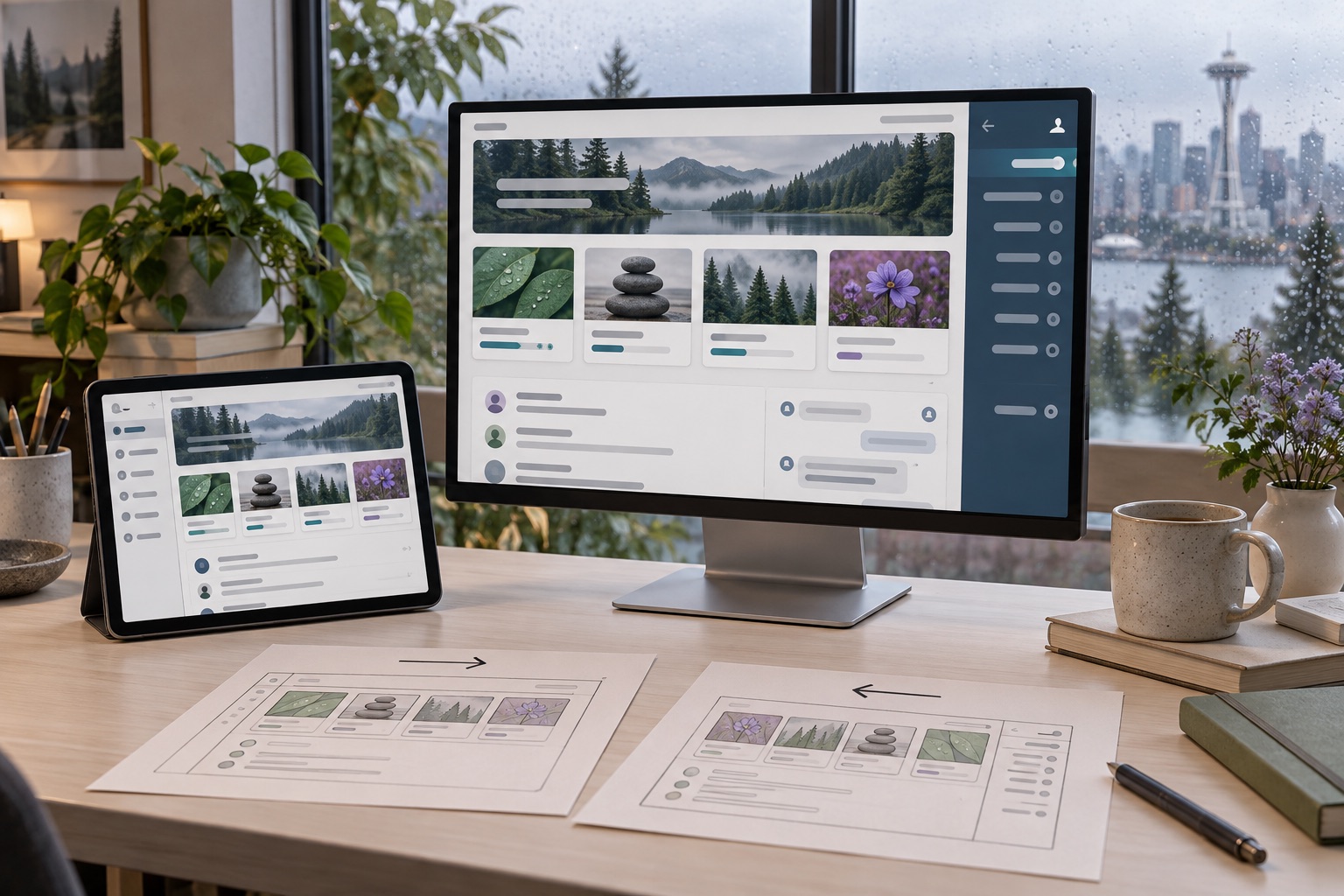
Concept of matching learning dashboards arranged in right-to-left and left-to-right reading directions
AI-generated concept artwork for multilingual learning; not a Club 2030 screenshot or a delivered language-switching feature.
5+
years building for production
12
countries the work runs in
100%
of code read by a senior engineer
1 day
to hear back, from the engineer
Browse industry workflows →

Decide what is shared and what is translated

Begin with one course and its approved language versions. Decide whether the versions share an identity, progress rules and membership entitlement, or represent separate learning offers. Name the owner of each translation and agree what appears when content is incomplete. A shared record should not hide meaningful differences between lessons. Clear relationships help the interface preserve a member's place while giving editors a manageable way to publish and correct content in each supported language.

Relevant work: Club 2030's Hebrew learning membership

The published case covers a Hebrew interface laid out right to left, built with Next.js, React, TypeScript and Supabase. Courses include lessons and completion tracking; the platform also provides recordings, scheduled events with an embedded Zoom live room, forums, profiles, messages and notifications. Subscription roles control content and session access, with Supabase row level security enforcing rules in the database. This case demonstrates a complete right-to-left membership product. Language switching, additional translations and a Seattle rollout would be separately defined requirements for your engagement.

Review reading direction across real member tasks

A course card is only one part of a localized interface. Forms, navigation, discussion, dates and mixed-language content also need review in the supported reading directions. Use representative names, links and lesson titles rather than assuming a mirrored layout is sufficient. Agree which icons convey direction and which remain consistent across locales. Review the complete task of finding a lesson, opening it and returning to a discussion with the people responsible for each language's content and presentation.

Give translation and membership operations clear owners

Editors need to see which records have approved translations and which are awaiting review. Administrators need a consistent account and access model across the interface languages. Decide how a translated lesson update affects notifications, progress and the public destination that members have saved. AI can accelerate components and implementation options; engineers review layout, data relationships and release behavior. Translation drafts and any generated learning content need a separate approval workflow with the designated language owners.

Review one learning journey in each supported reading direction

For a new engagement, bring approved language samples, a course record, its translations and the membership access policy. Proposed acceptance examples: the agreed locale opens the matching lesson; missing content follows the approved fallback; mixed-direction text remains readable in forms and discussion; and changing the interface language preserves the intended account and course progress. Review keyboard navigation and administrative translation updates with the language owners. These are proposed checks for your multilingual platform, not additional claims about Club 2030's historical localization tests or support for other languages.

A product partner as languages and community needs expand

Adding a language creates continuing publishing and product work. Member feedback can reveal unclear navigation, incomplete content and administrative tasks that need better support. We work with your team on a shared backlog and reviewed releases so those findings shape the next iteration. Monthly AI-accelerated development starts from $2,000, with capacity, translation ownership and operating responsibilities agreed in writing. Curiosive LLC collaborates remotely with Seattle teams through agreed Pacific-time review windows, with engineering led from Ankara. The partnership continues around keeping the learning experience coherent as the community changes.

Questions

The things people ask before starting.

Can you build a multilingual learning platform for a Seattle team?

Yes. Begin with the supported languages, an approved course example and the relationship between its language versions. We can scope the interface, content workflow and shared member behavior around those requirements.

Does Club 2030 demonstrate a multilingual platform?

The published case demonstrates a Hebrew, right-to-left learning membership. It provides relevant reading-direction and membership experience. Additional languages and switching behavior would be part of your new project's scope.

Can learners keep their progress when changing languages?

That can be an agreed requirement when language versions represent the same learning record. Define how lessons correspond and which progress remains shared before implementation.

Can you work with our translators and content team after launch?

Yes. A continuing engagement can coordinate publishing improvements, layout feedback and new language requirements through a shared backlog with clear content and engineering owners.

How it starts

What happens after you write to us.

  1. 01

    You describe the product

    One paragraph on what you are building, roughly when you need it, and who it is for. No brief, no form with fifteen fields.

  2. 02

    You get a reply within a day

    From the engineer who would do the work, not a sales team. If we are not the right fit we say so, and where possible we point you somewhere better.

  3. 03

    You get a scoped plan

    Scope, price and timeline in writing before anything is committed. You decide with the numbers in front of you.

No long contract to begin, no lock-in to our tooling, and the code is yours from the first commit.

Start a conversation
Contact

Looking for an engineering partner for the long haul?

A short note about the product, the timeline and who it is for is enough to start. You will hear back from the engineer who would do the work, not a sales team.

Ankara / Türkiye · Working across European and US time zones