Skip to content
San Jose, California · AI agent interfaces and configuration

AI Agent Interface Development for San Jose Teams

Business users need to understand what an agent setting changes before putting a conversation interface on their website. Visitors need clear controls once it is installed. We help San Jose AI product teams connect configuration, preview and the embedded experience into an interface their customers can operate.

Our YouNet case, recorded in Canada, describes a React and Material UI interface with a configurable, embeddable chat widget, streamed Markdown responses and visitor stop controls. It gives us a concrete reference for the installation and conversation surfaces. Curiosive uses AI to accelerate implementation under engineering review and stays involved as a product partner as configuration needs and host environments evolve.

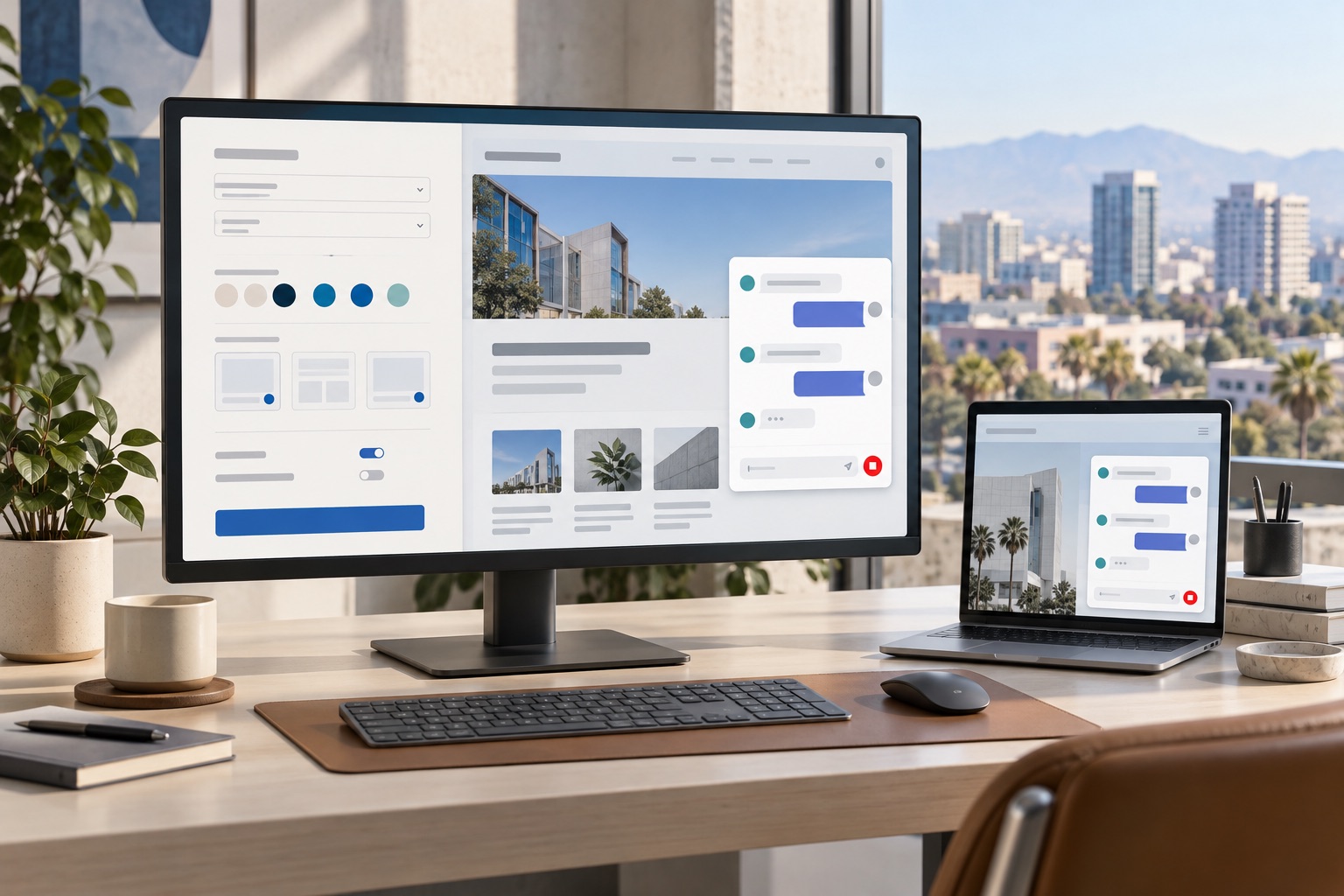
Concept of agent configuration controls beside desktop and narrow-screen chat widget previews
AI-generated concept artwork for agent configuration and previews; not a YouNet screenshot or delivered administration feature.
5+
years building for production
12
countries the work runs in
100%
of code read by a senior engineer
1 day
to hear back, from the engineer
Browse industry workflows →

Separate the setting from the behavior it controls

Start with the options a business user is allowed to change and the effect each has on the visitor experience. Model, language, size, position and button appearance may have different owners and validation rules. Agree the defaults and what happens when a value is unsupported. Keep presentation settings distinct from the agent's knowledge and action permissions. A useful configuration interface explains the consequence of a change and helps the user review it in the context where the widget will appear.

Relevant work: YouNet's configurable conversation widget

The published case covers a React and Material UI interface with a chat widget loaded through a single script and mounted on a custom element. Script settings configure the model, language, size, position, button text and image. Responses stream as formatted Markdown, and visitors can stop a response or change conversation language. A shadow root isolates the widget's styles from the host page. The project is recorded in Canada. A configuration dashboard, preview workflow or approval process for your San Jose product would be newly scoped around that delivered interface experience.

Make the preview match the installation contract

Agree how approved settings become the installation code or hosted configuration. The preview should use the same defined values and explain which host conditions it represents. Review placement alongside navigation, banners and forms rather than only on an empty canvas. Decide how a saved change reaches an existing installation and what a customer sees while it is pending. Keeping that contract explicit gives the product team a clear way to investigate a mismatch between the configuration screen and the installed widget.

Review conversation controls and answer quality separately

The interface needs predictable behavior while a response streams, stops or fails. Decide what remains visible after interruption, how a visitor retries and how keyboard focus moves through the conversation. Evaluate answer quality against the product team's approved examples as a separate task. AI can accelerate components and implementation options; engineers review state handling, host isolation and release behavior. Any change to agent knowledge, model selection or permitted actions needs the appropriate product owner and evaluation scope alongside the interface work.

Review a configuration change in its intended host preview

For a new engagement, bring the supported settings, approved defaults and representative host layouts. Proposed acceptance examples: a valid configuration produces the agreed preview; an unsupported value displays the approved validation state; the generated installation settings match the approved configuration; and a visitor can stop an in-progress response without losing the readable conversation. Review narrow layouts and a failed stream separately from answer evaluation. These are proposed checks for your interface, not additional claims about YouNet's historical preview tooling or model-quality tests.

A product partner as the agent interface develops

Customer installation questions and configuration mistakes reveal where the interface needs clearer defaults or better feedback. We work with your team on a shared backlog and reviewed increments so those findings shape the next release. Monthly AI-accelerated development starts from $2,000, with capacity, operating responsibilities and review windows agreed in writing. Curiosive LLC collaborates remotely with San Jose teams through agreed Pacific-time review windows, with engineering led from Ankara. The ongoing relationship keeps the configuration, installation and visitor experience connected as the product changes.

Questions

The things people ask before starting.

Can you develop an AI agent interface for a San Jose team?

Yes. Bring the supported settings, installation path and intended visitor conversation. We can scope a focused configuration and interface workflow around those requirements.

What does the YouNet case demonstrate?

It covers a configurable embedded React widget with streamed Markdown responses, stop controls, language changes and host-style isolation. It is recorded in Canada and used as a delivery reference for your separate product.

Can users preview the widget before installing it?

A preview can be part of your new scope. Define the supported host conditions and use the same approved configuration values for preview and installation so the relationship remains reviewable.

Can you continue improving configuration after launch?

Yes. A continuing engagement can prioritize installation feedback, configuration usability and conversation recovery through a shared backlog, with agreed capacity and release responsibilities.

How it starts

What happens after you write to us.

  1. 01

    You describe the product

    One paragraph on what you are building, roughly when you need it, and who it is for. No brief, no form with fifteen fields.

  2. 02

    You get a reply within a day

    From the engineer who would do the work, not a sales team. If we are not the right fit we say so, and where possible we point you somewhere better.

  3. 03

    You get a scoped plan

    Scope, price and timeline in writing before anything is committed. You decide with the numbers in front of you.

No long contract to begin, no lock-in to our tooling, and the code is yours from the first commit.

Start a conversation
Contact

Looking for an engineering partner for the long haul?

A short note about the product, the timeline and who it is for is enough to start. You will hear back from the engineer who would do the work, not a sales team.

Ankara / Türkiye · Working across European and US time zones