Skip to content
Providence, Rhode Island · Event planning software

Event App Modernization for Providence Product Teams

An event-planning product can have a working backend while its interface has become difficult to improve. Organizers and participants still need their events, tasks and conversations throughout a redesign. We help Providence event-software teams modernize that daily experience around the systems they already operate.

Lizzt, recorded in the Netherlands, is our delivery reference: a Next.js and TypeScript frontend rebuild on an existing Supabase backend, with shared event workspaces and AI-assisted setup. Curiosive works as a long-term product partner, using AI to accelerate implementation while engineers review behavior, integration and release quality.

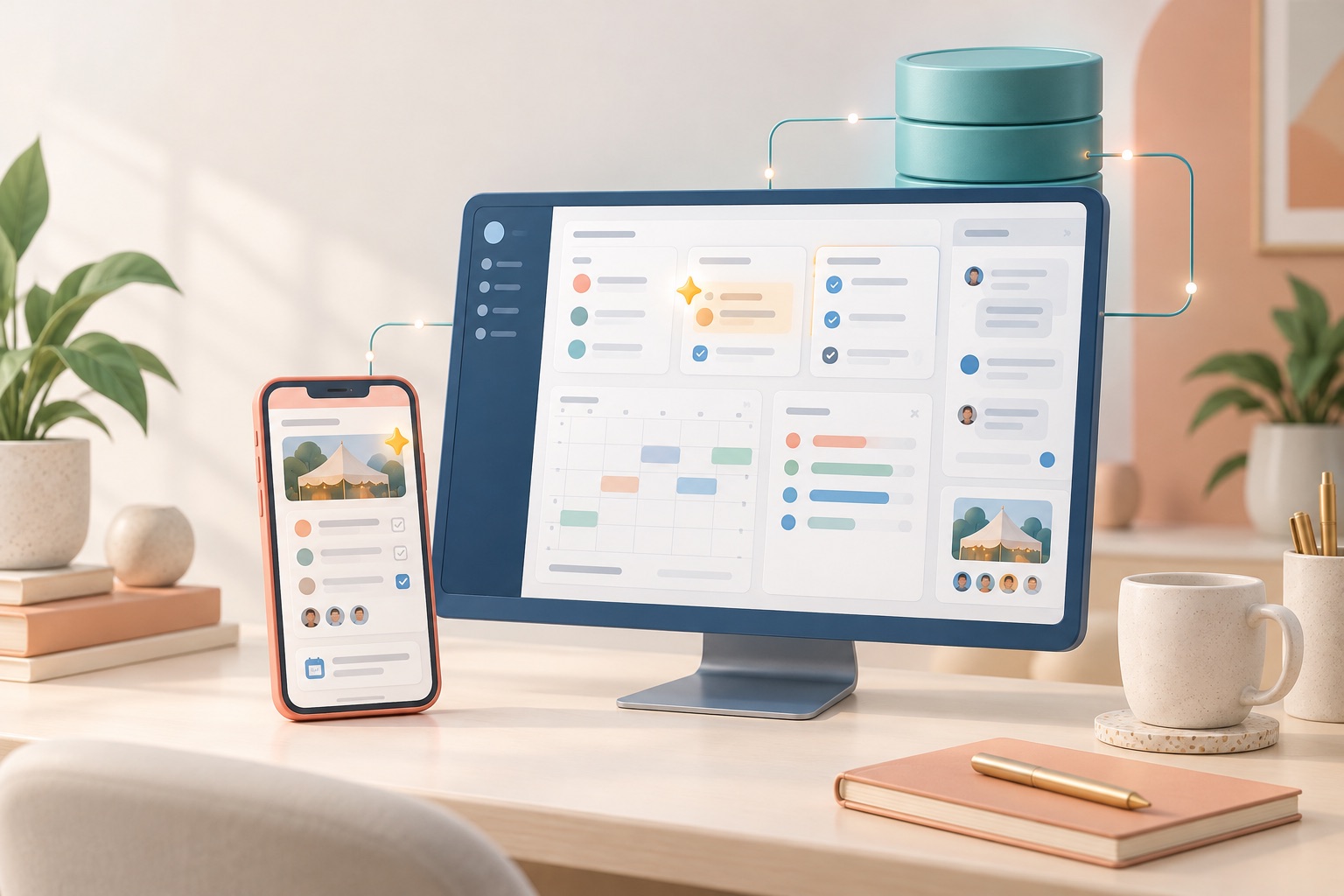
Concept of redesigned event planning screens on desktop and mobile connected to an existing database
AI-generated concept artwork for event app modernization; not a Lizzt product screenshot.
5+
years building for production
12
countries the work runs in
100%
of code read by a senior engineer
1 day
to hear back, from the engineer
Browse industry workflows →

Inventory the working product before redesigning it

Start with the screens, user roles and event states the current application supports. Follow an organizer creating a plan and a participant returning to complete a task. Record where costs, attendance, conversations and notifications appear, along with the decisions behind any unusual behavior. Agree which journeys require parity and which will change deliberately. This inventory gives the redesign a practical baseline and helps the team distinguish an interface improvement from a change to the product's rules.

Relevant work: Lizzt's frontend rebuild

The Lizzt case covers a Next.js, TypeScript and Tailwind CSS frontend built around an existing Supabase backend. Delivery includes authentication and password reset, then event overviews, tasks, items, costs, chat, participants, attendance, notifications and settings. A typed data layer uses SWR. The new interface also integrates a guided AI flow that drafts an event from a short description and supports multiple languages, including Dutch and English. This Netherlands project provides a concrete reference for frontend modernization and backend continuity in a separately scoped Providence engagement.

Agree the frontend and backend contract early

Keeping a backend depends on understanding what it actually provides. Map the requests, response shapes, permissions and error states needed by each supported journey. Name who owns backend changes when the new interface needs something the existing service cannot provide. Review update behavior and stale data so a participant can tell whether a task or cost has been saved. A typed client layer makes integration assumptions visible; representative accounts and event states help the team check them against the running product.

Introduce AI setup through a reviewable event draft

A short description can provide a useful starting point for an event, but the organizer still needs to review the plan. Define the draft fields, language choices and editable details before connecting the AI endpoint. Decide what happens when the description is incomplete, a request fails or the proposed tasks need correction. Keep draft generation separate from the action that saves an event. AI also accelerates our engineering work on interface options and familiar components; people remain responsible for product decisions, code review and acceptance.

Check workflow parity before expanding the event product

For a new engagement, bring the current application, approved test accounts and its documented backend contract. Proposed acceptance examples: an organizer can open an existing event in the redesigned interface; an authorized participant can complete an agreed task; a failed update leaves a clear retry path; and a returning user can find the saved result. Compare the supported desktop and mobile journeys with the agreed behavior inventory. If AI setup is included, review the draft before event creation. These are proposed checks for your modernization project, not additional claims about Lizzt's historical test coverage.

Keep improving with a long-term product partner

Modernization creates a clearer foundation for the next product decision. We work with your team on a shared backlog, reviewing organizer and participant journeys as new features are added. Start with agreed parity, then prioritize improvements using the questions and friction your team observes. Monthly AI-accelerated development starts from $2,000, with capacity, backend ownership and operating responsibilities agreed in writing. Curiosive LLC collaborates remotely with Providence teams through agreed Eastern-time review windows, with engineering led from Ankara. The partnership continues beyond the first redesigned release.

Questions

The things people ask before starting.

Can you modernize an event app for a Providence team without replacing its backend?

Yes, when the existing backend supports the agreed product behavior. We first review its contract, current workflows and ownership, then scope the frontend work and any required backend changes.

What did you deliver for Lizzt?

The published case covers a Next.js and TypeScript frontend rebuild on an existing Supabase backend, including shared event workflows, multilingual screens and an integrated AI-assisted event setup flow.

How do you check that an interface rebuild preserves existing behavior?

We agree an inventory of supported journeys and representative event states, then review the redesigned experience against those expectations. Intentional changes receive their own acceptance scope.

Can you stay involved after the modernization release?

Yes. A continuing engagement can prioritize interface improvements, integration work and new event features through a shared backlog and reviewed releases, with agreed monthly capacity.

How it starts

What happens after you write to us.

  1. 01

    You describe the product

    One paragraph on what you are building, roughly when you need it, and who it is for. No brief, no form with fifteen fields.

  2. 02

    You get a reply within a day

    From the engineer who would do the work, not a sales team. If we are not the right fit we say so, and where possible we point you somewhere better.

  3. 03

    You get a scoped plan

    Scope, price and timeline in writing before anything is committed. You decide with the numbers in front of you.

No long contract to begin, no lock-in to our tooling, and the code is yours from the first commit.

Start a conversation
Contact

Looking for an engineering partner for the long haul?

A short note about the product, the timeline and who it is for is enough to start. You will hear back from the engineer who would do the work, not a sales team.

Ankara / Türkiye · Working across European and US time zones