Skip to content
Detroit, Michigan · Industrial product catalogues

Industrial Product Catalogue Development for Detroit Teams

An industrial buyer needs to identify the right product family, compare the relevant variant and send a useful enquiry to sales. The catalogue has to connect those actions with approved specifications and documents. We help Detroit manufacturers build that workflow into a maintainable website with clear product destinations and editorial ownership.

Our Panyapı case, recorded in Türkiye, describes an architectural-product catalogue built with Sanity and Next.js, with category and variant pages, structured product data and quote-driven contact paths. It is a concrete reference for catalogue engineering across a different product range. Curiosive brings AI-accelerated implementation, human review and an ongoing product partnership as your catalogue and sales workflow evolve.

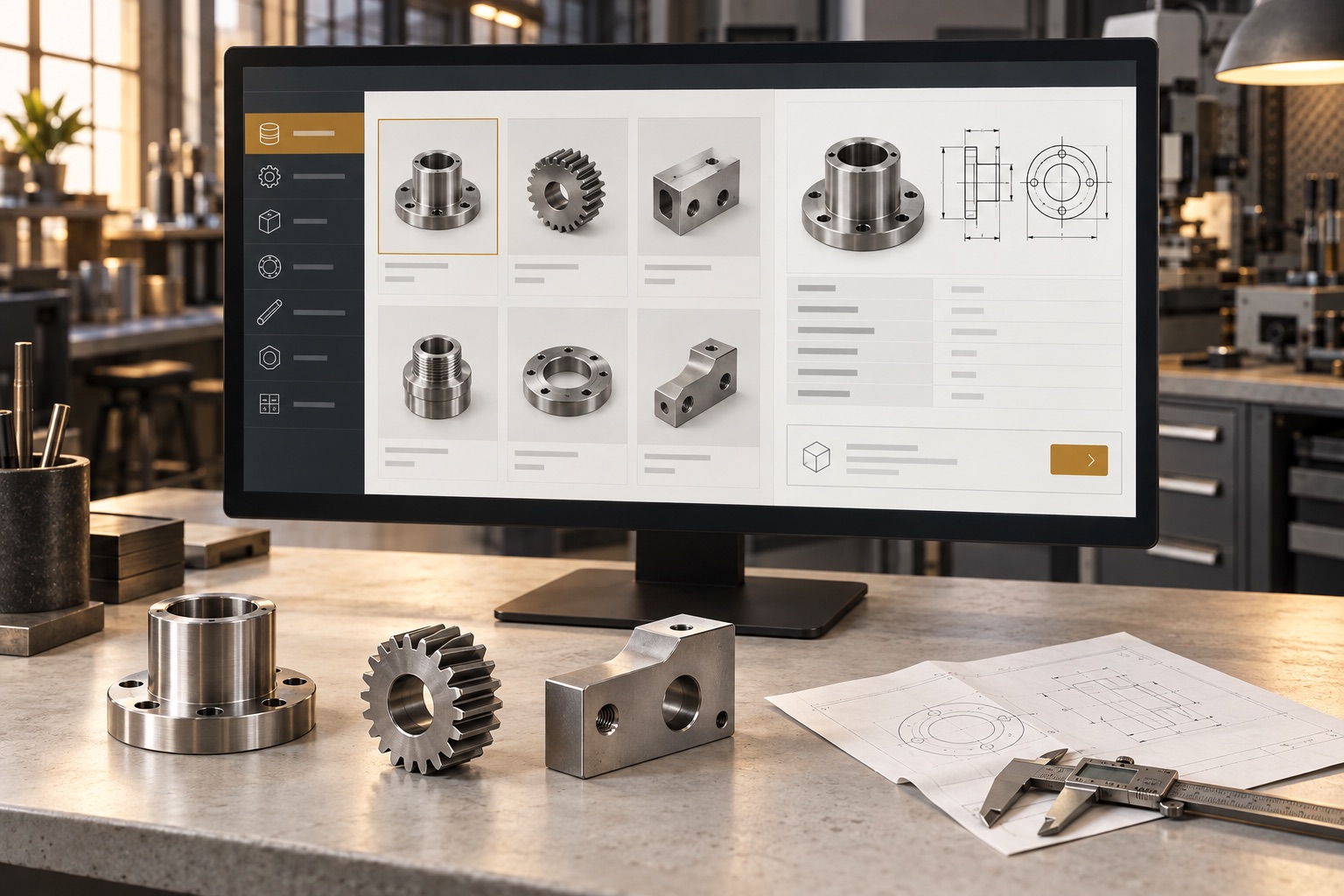
Concept of an industrial product catalogue with component specifications beside machined samples and a technical drawing
AI-generated concept artwork for an industrial catalogue; not a Panyapı screenshot or engineering specification.
5+
years building for production
12
countries the work runs in
100%
of code read by a senior engineer
1 day
to hear back, from the engineer
Browse industry workflows →

Build the content model around the buying question

Start with a representative product family and the fields buyers use to distinguish variants. A model may need a stable product reference, dimensions, material, application and approved technical documents. Decide which fields belong to the family and which change for each variant. Agree the units and terminology with the product owner. That structure should support the catalogue's navigation and enquiry journey, while keeping the published information tied to the person or system responsible for approving it.

Relevant work: Panyapı's catalogue and enquiry paths

The published Panyapı case covers architectural surfaces, cladding, mirrors and application tooling. Categories and variants are modeled in Sanity, and Next.js prerenders catalogue pages with Product and Offer structured data. Visitors use enquiry and WhatsApp contact paths rather than checkout. The project is recorded in Türkiye. Its repeatable product destinations and CMS-managed variants provide delivery evidence for a new Detroit catalogue. Industrial specifications, document revisions and connections to your existing product systems would be defined within your own engagement.

Keep technical documents aligned with the product record

A product page and its downloadable sheet need to describe the same approved variant. Decide who publishes a revision, how the catalogue identifies the current document and what happens to an old reference. Review missing documents, renamed products and retired variants alongside new publication. If an existing product system owns the specification, assess its supported data exchange before creating another editable copy. A clear source and publishing workflow makes future updates easier for the team maintaining the catalogue.

Connect search destinations to a useful sales handoff

Create stable category and product URLs around approved records and the questions buyers ask. Filters should help someone narrow the range without creating confusing duplicate destinations. Define how an enquiry carries the product or variant reference and which additional details sales needs to respond. Review the received enquiry with the sales team rather than stopping at a successful form submission. AI accelerates implementation and interface options; engineers review content behavior, URL changes and the complete handoff before release.

Trace one approved variant from catalogue to enquiry

For a new engagement, bring one product family, its approved variant fields, technical documents and sales handoff requirements. Proposed acceptance examples: a buyer reaches the intended variant through the agreed filters; the detail page displays its matching specification and document revision; an enquiry preserves the selected product reference; and a retired variant follows the approved URL and availability rule. Review an editor's update and the sales team's received enquiry together. These are proposed checks for your industrial catalogue, not additional claims about Panyapı's historical tests or manufacturing integrations.

A product partner as the catalogue and sales process grow

New variants, corrected specifications and sales feedback create continuing product work. We collaborate on a shared backlog and reviewed releases so the catalogue improves alongside the team using it. The monthly engagement can cover agreed publishing, search and enquiry improvements with clear content and engineering owners. AI-accelerated development starts from $2,000 per month, with scope and capacity agreed in writing. Curiosive LLC works remotely with Detroit teams through agreed Eastern-time review windows, with engineering led from Ankara. We stay involved in making the next update useful to buyers and maintainable for your team.

Questions

The things people ask before starting.

Can you build an industrial product catalogue for a Detroit manufacturer?

Yes. Bring a representative product family, its approved variant fields and the sales team's required enquiry information. We can scope the public catalogue and publishing workflow around those examples.

How is Panyapı relevant to an industrial catalogue?

Its published case demonstrates CMS-managed categories and variants, prerendered product destinations and quote-driven contact paths for architectural products. Your industrial specifications and existing-system connections need their own scope.

Can the catalogue use data from our current product system?

We can assess its supported data exchange, update frequency and ownership rules. Agree which system owns each field and how an incomplete or failed update is reviewed before publishing.

Can you improve the catalogue after the first release?

Yes. A continuing engagement can prioritize buyer questions, editorial work and sales feedback through a shared backlog. Capacity and release responsibilities are agreed in writing.

How it starts

What happens after you write to us.

  1. 01

    You describe the product

    One paragraph on what you are building, roughly when you need it, and who it is for. No brief, no form with fifteen fields.

  2. 02

    You get a reply within a day

    From the engineer who would do the work, not a sales team. If we are not the right fit we say so, and where possible we point you somewhere better.

  3. 03

    You get a scoped plan

    Scope, price and timeline in writing before anything is committed. You decide with the numbers in front of you.

No long contract to begin, no lock-in to our tooling, and the code is yours from the first commit.

Start a conversation
Contact

Looking for an engineering partner for the long haul?

A short note about the product, the timeline and who it is for is enough to start. You will hear back from the engineer who would do the work, not a sales team.

Ankara / Türkiye · Working across European and US time zones