Next.js vs WordPress

Next.js vs WordPress: Which One Fits What You Are Building

WordPress runs a large share of the web for good reasons: a plugin for nearly everything, editors who already know it, and a hosting bill measured in single digits. Next.js is a different kind of tool, and it is not automatically the better one.

We build on Next.js and have migrated sites off WordPress, so our bias is on the table. What follows is where each one genuinely wins, written the way we would explain it to a client deciding between them.

25
products shipped and running
5+
years building for production
13
countries the work runs in
100%
of code read by a senior engineer
1 day
to hear back, from the engineer
01

Where WordPress still wins

A content site that needs a plugin ecosystem, editors who already know the admin, and a low hosting bill. Standard requirements such as a blog, forms, an email list and simple commerce are solved problems with a plugin each. If your site is mostly content and your team is not technical, the case for leaving is weaker than the internet suggests.

02

Where Next.js wins

When the site is really an application. Custom interaction, a data model that is not posts and pages, third party APIs, authentication, or a page count in the hundreds of thousands that has to render fast. Performance is more predictable because you control what ships to the browser rather than inheriting whatever a plugin loads.

03

The part people underestimate: the editor

Moving off WordPress means replacing the admin your team already knows. We pair Next.js with Sanity so editors still get a real editing interface rather than raw files in a repository. Skipping that step is the usual reason a migration is technically successful and organisationally rejected.

04

What a migration actually costs

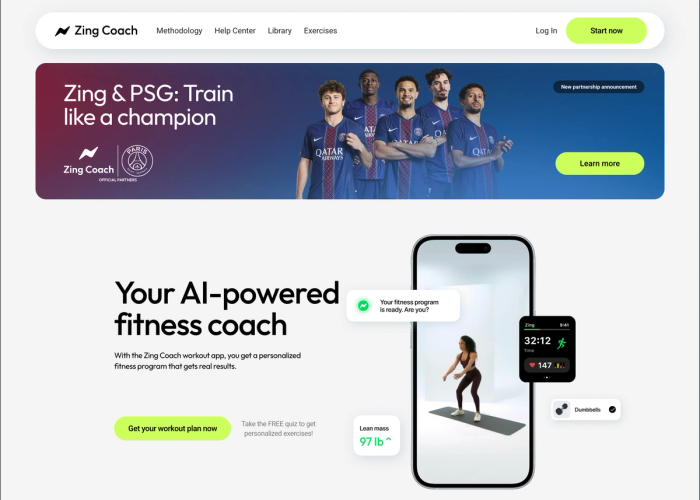
The site rebuild is the visible half. The rest is content modelling, redirects for every existing URL, and rebuilding whatever plugins were quietly doing. We have run this: Zing Coach was a full Webflow to Next.js replatform with more than a million users on it, and the redirect map mattered as much as the code.

05

A simple way to decide

If your requirements are met by plugins and your editors are happy, stay. If you are fighting the platform, paying for plugins to undo other plugins, or your product has outgrown posts and pages, the migration is worth costing out. Speed alone is rarely a good enough reason on its own.

Questions

The things people ask before starting.

Is Next.js faster than WordPress?

Usually, but not automatically. Next.js gives you control over what reaches the browser, and a poorly built Next.js site can still be slow. A well tuned WordPress site with disciplined plugin use beats a careless Next.js build.

Can editors still update the site after moving to Next.js?

Yes, if you pair it with a CMS. We use Sanity, which gives editors a real interface with previews. Without a CMS a migration hands content back to developers, which most teams regret.

Will migrating hurt our search rankings?

Only if the redirects are done badly. Every existing URL needs a mapped destination, and metadata and structured data need to carry across. Handled properly a migration is neutral to positive because the performance improvement is real.

How long does a migration take?

It depends far more on content volume and plugin behaviour than on page design. A small content site is weeks. A site with bespoke plugin logic and tens of thousands of URLs is longer, and the audit comes before any estimate.

What does it cost?

Landing pages and small sites start from $2,000. A larger build with a custom content model starts from $10,000. We scope it in writing after looking at the existing site rather than quoting from a page count.

How it starts

What happens after you write to us.

  1. 01

    You describe the product

    One paragraph on what you are building, roughly when you need it, and who it is for. No brief, no form with fifteen fields.

  2. 02

    You get a reply within a day

    From the engineer who would do the work, not a sales team. If we are not the right fit we say so, and where possible we point you somewhere better.

  3. 03

    You get a scoped plan

    Scope, price and timeline in writing before anything is committed. You decide with the numbers in front of you.

No long contract to begin, no lock-in to our tooling, and the code is yours from the first commit.

Start a conversation
Contact

Looking for an engineering partner for the long haul?

A short note about the product, the timeline and who it is for is enough to start. You will hear back from the engineer who would do the work, not a sales team.

Ankara / Türkiye · Working across European and US time zones