Hire Next.js developers

Hire Next.js Developers Without Recruiting

Hiring a Next.js developer is a multi-month exercise: sourcing, interviews, an offer, a notice period, then ramp-up time before anything ships, and the quiet risk that the fit is wrong. Bringing in an embedded team is a different trade. You get capacity this month and skip the recruiting cycle, and in exchange you do not gain someone permanently inside the company.

Both trades are legitimate and we will tell you which one your situation calls for. Curiosive is a software studio run from Ankara, Türkiye, shipping production software for more than five years with 16 live products, working with founders and product teams worldwide. Next.js, React, React Native and TypeScript are what we work in daily.

01

What an embedded team actually covers

When there is no engineer in the company, the job does not stop at writing code. Architecture, hosting, the deployment pipeline, domain and DNS, error tracking, backups, app store submissions and the first wave of user problems are all on the table. We list those items and name an owner for each, because a single unowned item is enough to delay a launch. Tool choices lean toward low operational burden, such as Next.js, Supabase and React Native, a stack a small team can carry alone later.
02

When hiring in-house is the better answer

If software is your core business for the long run, if product decisions need someone in every internal conversation, or if the domain knowledge takes months to absorb, hire. An embedded team is a poor substitute for a person who lives inside the company. The version that works well for most early teams is hybrid: we build and launch the first version, you recruit without deadline pressure, and your first engineer joins a documented system instead of a folder of unexplained decisions.

03

Handover to your first engineering hire

We set projects up assuming you will hire eventually. Hosting, domain and database accounts are opened in your name, the code sits in your repository, and the local development environment is documented well enough to be rebuilt from nothing. At handover we walk the system with your new developer rather than sending a document and wishing them luck. The retainer at $800 per month for 20 hours stays available as a backstop while they settle in, but it is optional.

04

Scope and budget for a first release

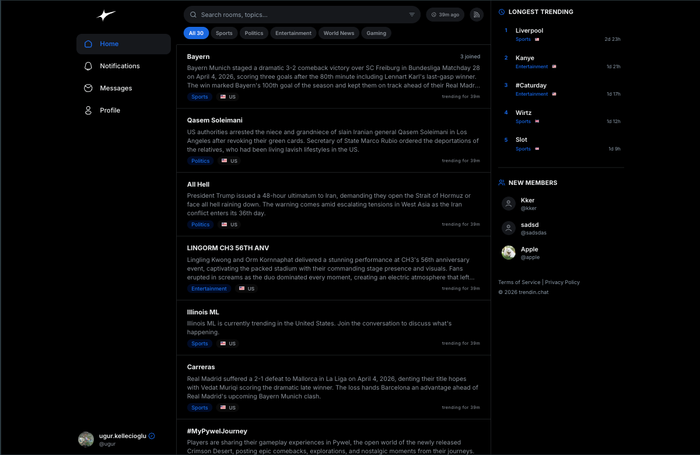
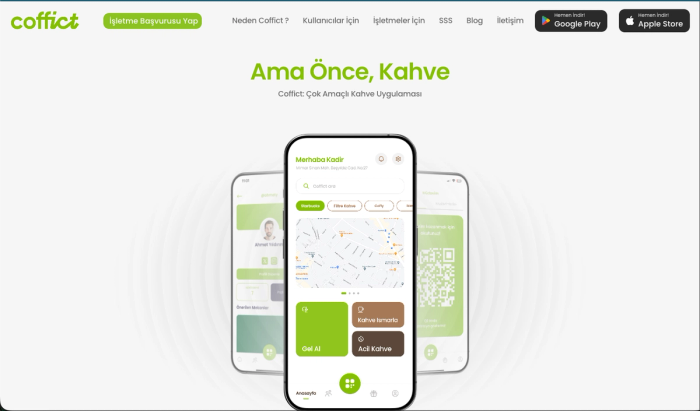
The goal of a first release is not to finish a feature list, it is to put something in front of real users. In discovery we pick one main flow and push the rest to later rounds. TrendinChat went live in two weeks with real-time chat rooms. Coffict combined React Native and Next.js for ordering and loyalty. On budget, landing work starts from $2,000, MVPs from $5,000 and end-to-end applications from $10,000, with final scope written down after discovery.

Proof

Products we shipped with exactly this.

Questions

The things people ask before starting.

Is an embedded team cheaper than hiring in-house?

It depends on your situation and we will not pretend otherwise. The clearer difference is commitment: a retainer at $800 per month for 20 hours can be stopped, adjusted or paused, while a full-time hire carries notice periods and ramp-up time whether the work continues or not.

We have no developers at all. Can this still work?

Yes, and it is the most common situation we see. We take on the engineering function, from architecture and hosting through to deployment and app store submissions. What we need from you is time for product decisions and honest feedback on what we ship each week.

What happens when we hire our own developer later?

The setup is designed for it. Accounts are in your name, code is in your repository, and setup steps are documented so a new engineer can rebuild the environment. We run the handover session together with them rather than leaving a document behind.

Which frameworks do you actually work in?

Next.js and React on the web, React Native on mobile, TypeScript throughout. For data we use Supabase and PostgreSQL, with Sanity when content management is needed. We also build Chrome and cross-browser extensions, which often accompany a web product rather than replace it.

Contact

Looking for an engineering partner for the long haul?

A short note about the product, the timeline and who it is for is enough to start. You will hear back from the engineer who would do the work, not a sales team.

Ankara / Türkiye · Working across European and US time zones