No-code to code

Moving from no-code to real code

No-code tools are genuinely good for testing an idea in days. Reaching your first users with a combination of Bubble, Webflow, Framer and Airtable is faster than coding the same thing from scratch. The problem is not the tool, it is being slow to notice that you have hit the ceiling.

Curiosive is a software studio run from Ankara, Türkiye. We have been shipping production software for more than five years and currently have 16 live products. This page covers when staying on no-code is the smart choice, the concrete signs that it is time to leave, and a staged migration plan that does not tear everything down at once.

01

Concrete signs you have hit the ceiling

Decide on evidence, not on feeling. You are close to the ceiling if these keep recurring: per-seat or per-record pricing has become unpredictable as you grow; performance drops noticeably as record counts rise; you cannot fit the authorisation rules you want into the structure the platform allows; integrations have turned into chained automations and you cannot tell why one broke; your data model is genuinely relational but the tool is imitating it with flat tables. If three of those are true at once, this is no longer a technical preference, it is a business risk.

02

When staying on no-code is the right call

If you have not validated product market fit, do not rush into writing code. Being able to change your mind twice a week inside a no-code tool is a strength, not a weakness. If your user count is low, your workflow sits naturally within the structure the platform offers, and you are describing an internal tool, migrating buys you nothing. Equally, if nobody on your team will own the codebase, a migration puts you into a permanent external dependency. Changing a working setup just to have real code is the most expensive justification there is.

03

Where real code is actually faster

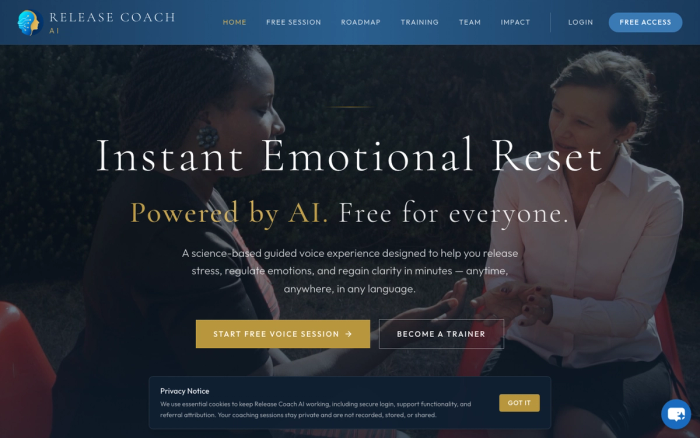
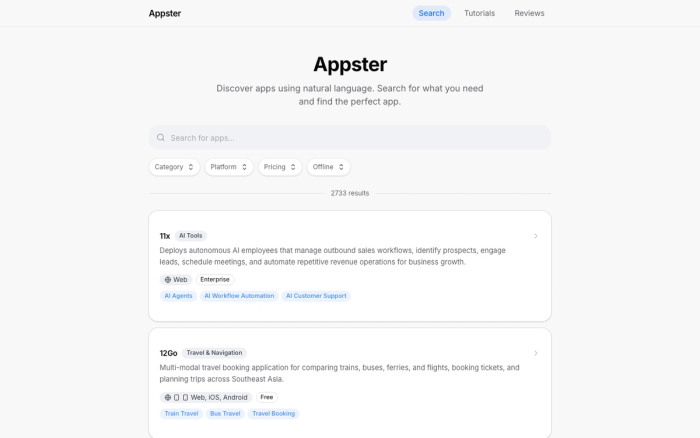
Writing code is not always the slow path. We shipped TrendinChat, with real-time chat rooms, a React Native client and Supabase infrastructure, within two weeks. On Appster we built a vector search layer that queries more than 2,700 apps in natural language, alongside a programmatic SEO structure, and that kind of production logic is not practically buildable in no-code tools. At Release Coach AI, a LiveKit-based flow handles real-time voice sessions. The pattern is consistent: where specialised data, real time and AI are involved, code is the shorter route.

04

The staged exit plan

You do not have to move everything at once, and it is usually better if you do not. We start with the single surface pushing hardest against the limit: user login, the payment flow, or the page group taking the most traffic. We rebuild that surface with Next.js and Supabase, launch it alongside the existing no-code setup, and hand the data over gradually. Development uses an AI-assisted workflow, but senior engineers review every line. MVP scope starts from $5,000 and a full application from $10,000.

Questions

The things people ask before starting.

When is the right time to leave Bubble?

When pricing becomes unpredictable as you grow, when performance drops as record counts rise, or when you cannot fit your authorisation and data model into what the platform allows. If several of these appear together, start planning. For one signal on its own, do not rush.

Can we move our data out of the no-code tool?

Usually yes, since most tools offer export or API access. The critical work is converting flat tables into a relational schema and keeping both systems consistent during the transition. That is why we hand the data over gradually rather than in one pass.

Will my product be down during the migration?

No, the plan is built to prevent that. The new surface launches alongside the existing no-code setup and traffic is routed across gradually. If something goes wrong, the way back stays open. A single cut-over with downtime is only preferred on very small scopes.

Who maintains the new codebase?

This is the most commonly skipped item in a migration. If your own team takes over, we hand the codebase across with its documentation. If nobody is taking it over, a 20-hour retainer at $800 a month covers maintenance, updates and small improvements.

Contact

Looking for an engineering partner for the long haul?

A short note about the product, the timeline and who it is for is enough to start. You will hear back from the engineer who would do the work, not a sales team.

Ankara / Türkiye · Working across European and US time zones