Skip to content
Arkansas · Agentic mobile development

Mobile App Development for Arkansas Teams Under Act 952

Since July 1, 2026, Arkansas's Children and Teens' Online Privacy Protection Act (Act 952 of 2025) has applied to operators of mobile applications directed at children aged 12 or younger or teens from 13 to under 17, and to operators with actual knowledge that they collect those users' personal information. For a team shipping a consumer app, the analytics SDKs, consent screens and deletion flows have to be decided before the first build.

Curiosive is a studio in Ankara, Türkiye, that builds iOS and Android apps in React Native with AI coding agents, under senior engineer review. One TypeScript codebase reaches both stores. Agents do the volume of screens, forms and tests, while engineers own token storage, payments and the privacy declarations each store checks. We work remotely and have no office in the state.

24
published portfolio projects
5+
years building for production
12
countries the work runs in
100%
of code read by a senior engineer
1 day
to hear back, from the engineer

For US founders and product teams

A US company. An engineering partner you can keep.

Curiosive LLC is our US-registered company. Engineering is led from Ankara, Türkiye, with collaboration across European and US time zones. Your engagement starts with a written scope, monthly capacity and a clear delivery plan.

Know who you hire

Curiosive LLC provides the services. Our US company details and service terms are published, and pricing is in USD.

Know what will ship

Agree scope, capacity and start date before checkout. Work through a prioritized queue, with senior engineers reviewing changes before they reach production.

Keep ownership

Typed, tested and documented code, with no lock-in to our tooling. Define repository access, handover and the working-hour overlap during discovery.

What Act 952 requires from an app with users in Arkansas

Act 952 bars covered operators from collecting a child's or teen's personal information for targeted advertising, or letting others do so. An operator with actual knowledge of child or teen users must give clear and conspicuous notice of what it collects, why, and which categories of third parties receive it. Consent from the teen or a parent is needed unless the processing is required to provide the requested service, run internal operations or handle security. Teens must be able to delete, correct and obtain their data, retention may not exceed what is reasonably necessary, and security must be reasonable. Only the Attorney General enforces it, there is no private right of action, and the Act does not require age verification. In practice that means listing every SDK that receives data, switching off advertising identifiers for teen accounts and building one deletion path.
Face ID login and biometric data under Arkansas breach law

Arkansas's Personal Information Protection Act treats biometric data as personal information when it is combined with a person's name and is not encrypted or redacted (Ark. Code § 4-110-103). The definition covers measurements such as fingerprints, a faceprint, a retinal or iris scan or a voiceprint, which brings biometric login data within the state's breach-notification duties. The safer design is for the product never to hold a template of its own. We use Face ID, Touch ID or the Android biometric prompt only as a gate to a session token kept in the Keychain or the Keystore, so neither the app nor the server stores a faceprint. Where a product genuinely needs biometric data, it is encrypted and stored apart from names, in a design an engineer owns.

Arkansas social media laws: blocked in court, still under appeal

Apps with feeds or public profiles should track three state laws, all currently blocked by court orders. On March 31, 2025 the federal district court declared the Social Media Safety Act (Act 689 of 2023), which required age and identity verification, unconstitutional and permanently blocked its enforcement. The state appealed to the Eighth Circuit on April 30, 2025, and no appellate ruling was reported as of 2026-10-05. The Western District of Arkansas preliminarily enjoined Act 901 of 2025, which regulates social media designs and algorithms with penalties of $10,000 per violation, on December 15, 2025, and Act 900 of 2025 on April 20, 2026. The state's Eighth Circuit opening brief followed on August 10, 2026. We keep feed ranking and age checks behind server-side settings, so a ruling changes configuration, not the app binary. It is worth confirming your exposure with a lawyer.

App store billing, web checkout and Arkansas sales tax

Apple's current guidelines let apps on the United States storefront include buttons or links to purchase methods other than in-app purchase, with no entitlement needed. Under the Epic v. Google injunction, Google does not require Google Play Billing for US users; its alternative billing program charges service fees from October 1, 2026, while the external content links program was given until December 1, 2026. When an app links out to your own web checkout, you are the seller. Arkansas lists electronically delivered prewritten software as exempt but taxes digital audio-visual works and digital books sold to end users, subscriptions included, and remote sellers collect once such sales into the state pass $100,000 or 200 transactions in the current or previous year. Entitlements are checked on the server, so either route unlocks the same thing and a refund revokes it in one place.

React Native for Arkansas users: what agents build, engineers own

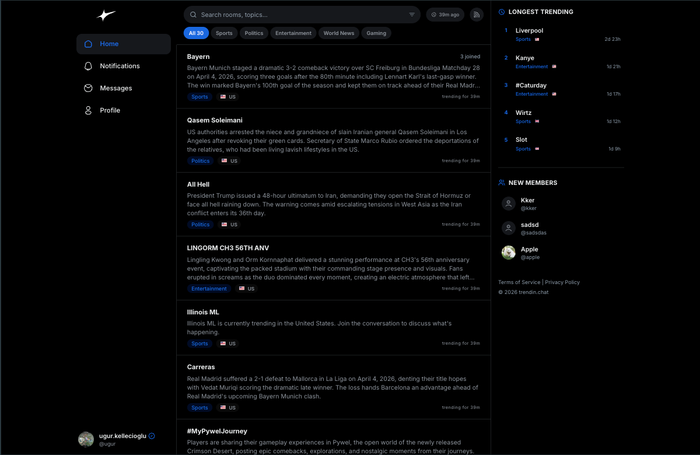
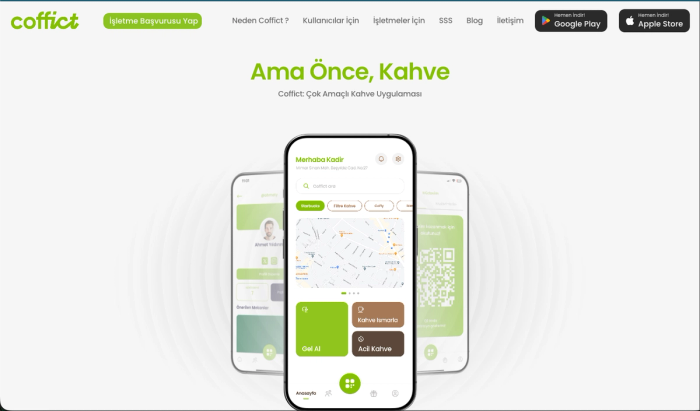
A coding agent works from a scoped task with acceptance criteria. It scaffolds screens, navigation, list rendering, form validation, tests and store metadata drafts, then runs the type checker, linter and test suite before proposing a change. A senior engineer reviews every diff; agents never merge their own work. Engineers own token storage, auth refresh, offline behaviour, permission prompts, Apple's privacy manifest and Google Play's Data safety form. Apple's updated age ratings added 13+, 16+ and 18+, but a 16+ rating does not take an app outside Act 952, which counts anyone from 13 to under 17 as a teen, so rating answers and consent design are settled together. We built TrendinChat (trendin.chat) in React Native in two weeks, and Coffict (coffict.com), an order-ahead coffee app, both for clients in Türkiye.

Questions

The things people ask before starting.

Does Arkansas Act 952 apply to my app if it is not made for kids?

It can. The Act covers apps directed at children or teens and also operators with actual knowledge that they collect those users' personal information. An app that asks for a birth date should plan for answers under 17: no collection for targeted advertising, clear notice, consent where needed and deletion.

Do apps for children in Arkansas also need to follow COPPA?

Yes, child-directed apps must meet the federal COPPA Rule. The FTC's amended rule took effect on June 23, 2025, and its April 22, 2026 compliance deadline has passed for all but a few listed provisions, so consent and data flows need to reflect both the amended rule and Act 952.

Is age verification required for a social app launching in Arkansas?

Not under the current court orders. The 2023 Social Media Safety Act was permanently blocked in March 2025 and Acts 900 and 901 are preliminarily enjoined, but the state has appealed and no appellate ruling had been reported. Age checks can be built so they switch on later from the server.

Can a mobile app team in Türkiye work with a startup in Arkansas?

Yes, if the work runs on written handoffs. Ankara is 8 or 9 hours ahead depending on the season, so the studio's day ends at 09:00 Arkansas time in winter and 10:00 in summer, and your morning starts with notes on what changed. There is one short weekly call and a releasable increment every week.

How it starts

What happens after you write to us.

  1. 01

    You describe the product

    One paragraph on what you are building, roughly when you need it, and who it is for. No brief, no form with fifteen fields.

  2. 02

    You get a reply within a day

    From the engineer who would do the work, not a sales team. If we are not the right fit we say so, and where possible we point you somewhere better.

  3. 03

    You get a scoped plan

    Scope, price and timeline in writing before anything is committed. You decide with the numbers in front of you.

No long contract to begin, no lock-in to our tooling, and the code is yours from the first commit.

Start a conversation
Contact

Looking for an engineering partner for the long haul?

A short note about the product, the timeline and who it is for is enough to start. You will hear back from the engineer who would do the work, not a sales team.

Ankara / Türkiye · Working across European and US time zones