Skip to content
Netherlands · Agentic mobile development

Mobile App Development for the Netherlands, with AI Agents

StatCounter puts Android at 68.16% of mobile operating system share in the Netherlands for September 2026, with iOS at 31.82%. Launching on one store first leaves out a large part of the Dutch market whichever you pick. The harder work starts after the screens: consent before tracking SDKs touch the device, a legal representative's consent for users under 16, accessibility duties the ACM supervises, and store requirements that changed again in 2026.

We are Curiosive, a studio in Ankara, Türkiye, building with AI coding agents under senior engineer review: agents write the volume, and a person reads every diff before it merges. Apps are built in React Native, so one TypeScript codebase ships to both the App Store and Google Play. Ankara sits one or two hours ahead of the Netherlands depending on the season, which leaves most of a Dutch working day shared.

24
published portfolio projects
5+
years building for production
12
countries the work runs in
100%
of code read by a senior engineer
1 day
to hear back, from the engineer

One React Native codebase for Android and iOS users in the Netherlands

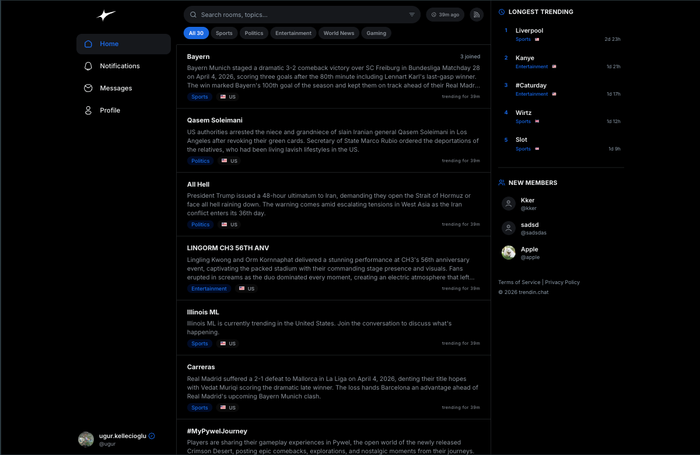
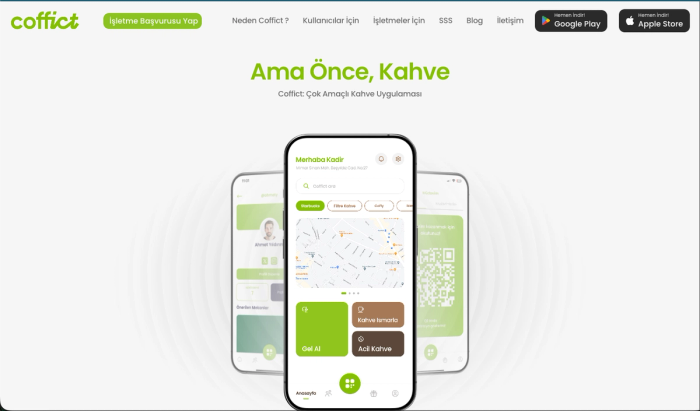
With about two thirds of Dutch mobile operating system share on Android and one third on iOS, a single React Native codebase is usually the sensible start: one set of screens, one data layer, two store builds. Dutch is the Netherlands' official EU language, so localisation is more than interface strings. Permission prompts, error messages, push notification text and both store listings need Dutch copy that reads naturally. Coding agents do the volume here. They scaffold screens and navigation, render long lists, write form validation and translation keys, generate tests and draft store metadata for an engineer to correct. Engineers keep the parts that can hurt users: tokens in the iOS Keychain and Android Keystore, auth refresh, offline and reconnection behaviour, permission prompts and server-side checks of what a user has paid for. We built TrendinChat (trendin.chat) in React Native in two weeks, and Coffict (coffict.com), an order-ahead and loyalty app, on the same stack.
Article 11.7a of the Dutch Telecommunicatiewet, in the version in force from 15 August 2026, allows storing or reading information on a user's device only after clear and complete information about the purposes and the user's consent. The exemptions are narrow: carrying out the communication itself, storage strictly necessary for a service the user asked for, and limited analytics with no or minor privacy impact. Combining data on a user's use of different services to treat them differently is presumed to be personal data processing. Advertising and attribution SDKs should not initialise until consent is recorded, and engineers wire their start-up to that state. Age comes next. GDPR Article 8 sets 16 for services offered directly to children, with Member States allowed to go no lower than 13, and UAVG Article 5 (version in force from 1 September 2026) requires a legal representative's consent below 16 where Article 8 does not apply. Apple's ratings now include 13+, 16+ and 18+, so the store rating and the consent flow should agree.

Accessibility rules the ACM applies to Dutch e-commerce apps

The Netherlands transposed the European Accessibility Act through the Implementatiewet toegankelijkheidsvoorschriften producten en diensten, which came into force on 28 June 2025. Since then, with no transition period for services, the ACM has supervised the accessibility of consumer-facing e-commerce websites and apps, while the AFM covers financial and banking services. The ACM requires WCAG 2.1 level AA plus an accessibility statement, and expects WCAG 2.2 AA to become the standard in the course of 2026. Non-compliance must be reported to the ACM within 1 week for critical or serious issues and within 1 month for moderate or minor ones. Micro-enterprises with fewer than 10 staff and annual turnover of at most EUR 2 million are exempt. In an app that means a label on every control, a sensible focus order, readable contrast and layouts that survive large text settings. Agents add labels and accessibility tests screen by screen, but a person still works through the result with the platform screen readers.

App Store and Google Play rules for a Dutch release in 2026

Since 31 August 2026, new apps and updates on Google Play must target Android 16 (API level 36), and existing apps need API level 35 to stay available to new users, with extensions available on request to 1 November 2026. Any app with accounts must let users start deletion inside the app: Apple has required this since 30 June 2022, including automatically generated guest accounts, and temporary deactivation does not count. Google Play also requires a web link for deletion requests, disclosed in the Data safety form. Because the Netherlands is in the EU, Apple's EU terms matter too: Apple says that from 1 October 2026 iOS apps in the EU may offer alternative payment processing alongside In-App Purchase, at a 20% commission, or 10% for program participants and for subscriptions after their first year. Whichever route you take, entitlement is verified on the server, never trusted from the device, and that check is engineer-owned code.

Questions

The things people ask before starting.

Should we build for Android or iOS first in the Netherlands?

Ideally neither first. StatCounter puts Android at 68.16% and iOS at 31.82% of Dutch mobile operating system share for September 2026, so one React Native codebase that ships to both stores avoids leaving out either group. Agents write the shared code in volume, and an engineer reviews every platform-specific difference before it merges.

Do apps in the Netherlands need parental consent for users under 16?

Where processing rests on consent, plan for it. UAVG Article 5 requires a legal representative's consent below 16 for consent-based processing outside GDPR Article 8, and Article 8 itself sets 16 for services offered directly to children, though Member States may lower that to no less than 13. A lawyer can confirm how this applies to your app.

Does the accessibility law apply to our Dutch consumer app?

It does if the app is part of a consumer-facing e-commerce service and your company is not a micro-enterprise. The ACM has supervised this since 28 June 2025 and requires WCAG 2.1 AA plus an accessibility statement, while financial and banking apps fall to the AFM. Companies with fewer than 10 staff and turnover of at most EUR 2 million are exempt.

How much does mobile app development cost for a startup in the Netherlands?

Work runs as AI-accelerated development, starting from $2,000 per month, with scope agreed in writing. These are US dollar starting points rather than quotes, and the estimate grows with scope such as Dutch localisation, consent flows and accessibility work.

How it starts

What happens after you write to us.

  1. 01

    You describe the product

    One paragraph on what you are building, roughly when you need it, and who it is for. No brief, no form with fifteen fields.

  2. 02

    You get a reply within a day

    From the engineer who would do the work, not a sales team. If we are not the right fit we say so, and where possible we point you somewhere better.

  3. 03

    You get a scoped plan

    Scope, price and timeline in writing before anything is committed. You decide with the numbers in front of you.

No long contract to begin, no lock-in to our tooling, and the code is yours from the first commit.

Start a conversation
Contact

Looking for an engineering partner for the long haul?

A short note about the product, the timeline and who it is for is enough to start. You will hear back from the engineer who would do the work, not a sales team.

Ankara / Türkiye · Working across European and US time zones