Skip to content
Austria · Agentic mobile development

Mobile App Development for Austria on iOS and Android

Mobile web traffic in Austria splits almost evenly between the two platforms: StatCounter measured 53.09% Android and 46.91% iOS for September 2026, so an app on only one store misses close to half of that traffic. The harder work comes after the build: an interface in German, a consent age for children that is lower than the GDPR default, and a national cookie rule that also covers storage on the phone itself.

Curiosive is an AI-native studio working remotely from Ankara, Türkiye, where coding agents such as Claude Code and Cursor do the volume and senior engineers review every change before it merges. We build in React Native, so one TypeScript codebase ships to the App Store and Google Play. Our working day begins at 07:00 your time in winter and 08:00 in summer, so a question raised in your morning reaches us inside our day.

24
published portfolio projects
5+
years building for production
12
countries the work runs in
100%
of code read by a senior engineer
1 day
to hear back, from the engineer

One React Native codebase for Austria's Android and iOS split

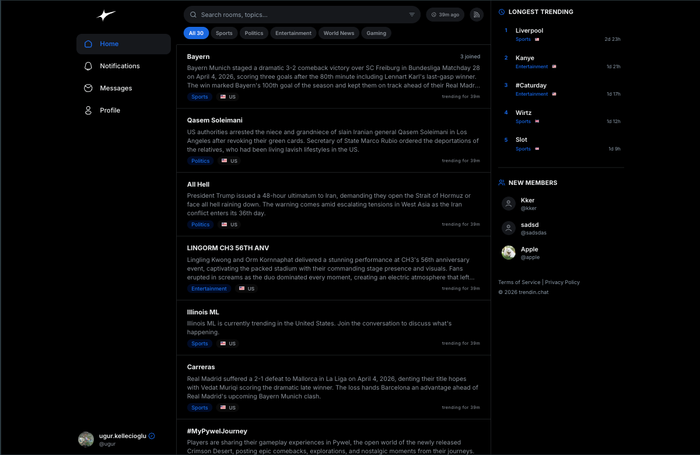
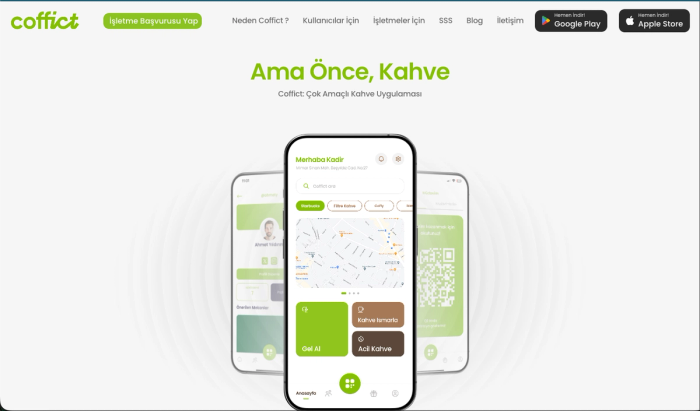
With the two platforms this close, one codebase is the practical choice rather than a compromise. Each agent task starts from an engineer's written scope and acceptance criteria, and the agent then produces screens, navigation, list rendering, form validation, tests and first drafts of store metadata. German is the country's official EU language, so interface strings sit outside the components from the first screen, and German copy can be added and checked without rewriting layouts. That keeps translation work apart from feature work, which matters when agents are changing many screens at once. We have shipped React Native apps before: TrendinChat (trendin.chat), real-time trending-topic chat rooms built in two weeks, and Coffict (coffict.com), a coffee ordering and loyalty app with order-ahead and rewards, both for clients in Türkiye.
GDPR Article 8 sets 16 as the age from which a child's own consent makes processing lawful for an information society service offered directly to children, and lets Member States set a lower age, but not below 13. Under § 4 Abs. 4 DSG, Austria uses 14. Below that age, consent must be given or authorised by the holder of parental responsibility, and the controller must make reasonable efforts to verify it. Device storage is the second trap. The national ePrivacy cookie rule sits in § 165 Abs. 3 TKG 2021, and the Österreichische Datenschutzbehörde (DSB) says it applies to any technical storage of, or access to, data on end devices, which takes in an analytics SDK writing an identifier to a phone. The DSB's guidance requires consent for all technically non-essential cookies, refusing may not take more interactions than accepting, and pre-ticked boxes or nudging are not allowed. The telecom authorities (Fernmeldebehörden) enforce § 165(3), while the DSB acts on the personal data processing that follows.

Accessibility and the draft under-14 social media rule in Austria

The Barrierefreiheitsgesetz (BaFG), the national transposition of the European Accessibility Act, has been in force since 28 June 2025. It covers consumer e-commerce services in the browser or as a mobile app, banking services and messenger apps. The Sozialministeriumservice enforces it as the market surveillance authority, and micro-enterprises providing services, meaning fewer than ten staff and annual turnover or balance sheet total of at most EUR 2 million, are exempt. A second rule is still moving. According to Parlament Österreich on 17 September 2026, a ban on social media for under-14s is still a draft law, under EU Commission notification review since July. If the Commission raises no objections by the end of October 2026, the Nationalrat can pass it unchanged, and it could then take effect on 1 January 2027. If your app has social features, confirm its status with a lawyer before launch and keep a date of birth or age band in the data model from the start.

What engineers own in an app: tokens, entitlements, store rules

Agents do not decide where secrets live. Engineers own token storage in the Keychain on iOS and the Keystore on Android, auth refresh, server-side receipt and entitlement checks, offline and reconnection behaviour, permission prompts and the privacy declarations for store review. Store rules shift often enough to plan around. Apple says its EU terms, effective 1 October 2026, let iOS apps in the EU offer alternative payment processing alongside In-App Purchase, carrying a 20% commission, or 10% for program participants and for subscriptions after their first year. Since 31 August 2026, new apps and app updates submitted to Google Play must target Android 16 (API level 36) or higher. If users can create an account, the App Store requires a way to start account deletion inside the app, and Google Play asks for both an in-app path and a web link where deletion can be requested.

Questions

The things people ask before starting.

How much does it cost to build an iOS and Android app for Austria?

Work runs as AI-accelerated development, starting from $2,000 per month, with scope agreed in writing. They are figures in US dollars, not quotes: we fix scope and budget in writing once a discovery call has shown what the app needs. One React Native codebase covers both stores rather than two separate native apps.

At what age can a child consent to an app's data processing in Austria?

At 14, where the app relies on consent and is offered directly to children. Austria sets that age in § 4 Abs. 4 DSG, below the GDPR default of 16. Under 14, consent must be given or authorised by the holder of parental responsibility, so a sign-up flow built on consent needs an age step before the consent screen.

Does a mobile app need a consent prompt in Austria like a website does?

Yes, for non-essential storage on the device. The DSB says § 165 Abs. 3 TKG 2021 covers any technical storage of, or access to, data on end devices, not only browser cookies. Its guidance requires consent for non-essential cookies, refusing may not take more interactions than accepting, and pre-ticked boxes or nudging are not allowed.

Does the Barrierefreiheitsgesetz apply to a shopping app in Austria?

Yes, if it sells to consumers and you are not a micro-enterprise. The BaFG has applied since 28 June 2025 to consumer e-commerce services offered in the browser or as a mobile app. Service providers with fewer than ten staff and annual turnover or balance sheet total of at most EUR 2 million are exempt, and the Sozialministeriumservice enforces it.

How it starts

What happens after you write to us.

  1. 01

    You describe the product

    One paragraph on what you are building, roughly when you need it, and who it is for. No brief, no form with fifteen fields.

  2. 02

    You get a reply within a day

    From the engineer who would do the work, not a sales team. If we are not the right fit we say so, and where possible we point you somewhere better.

  3. 03

    You get a scoped plan

    Scope, price and timeline in writing before anything is committed. You decide with the numbers in front of you.

No long contract to begin, no lock-in to our tooling, and the code is yours from the first commit.

Start a conversation
Contact

Looking for an engineering partner for the long haul?

A short note about the product, the timeline and who it is for is enough to start. You will hear back from the engineer who would do the work, not a sales team.

Ankara / Türkiye · Working across European and US time zones