Skip to content
Ireland · Agentic mobile development

Mobile App Development for Ireland's iOS and Android Users

StatCounter puts Ireland's mobile split for September 2026 at 52.62% Android and 47.37% iOS. A team that launches on one platform first leaves roughly half its audience waiting, and two native codebases mean paying for every change twice. The quieter problem is consent: the Data Protection Commission's guidance applies the cookie rules to SDKs as well, so the analytics a template app ships with can put a product on the wrong side of Irish rules before launch.

We are Curiosive, a studio working from Ankara, Türkiye. We build apps in React Native, so one TypeScript codebase reaches both the App Store and Google Play. AI coding agents do the volume: screens, navigation, form validation, tests and first drafts of store metadata. Every diff is read by a senior engineer before it merges, and the parts that can hurt users, such as token storage, consent handling and the privacy declarations for store review, are designed by people.

24
published portfolio projects
5+
years building for production
12
countries the work runs in
100%
of code read by a senior engineer
1 day
to hear back, from the engineer

One React Native codebase for Ireland's iOS and Android split

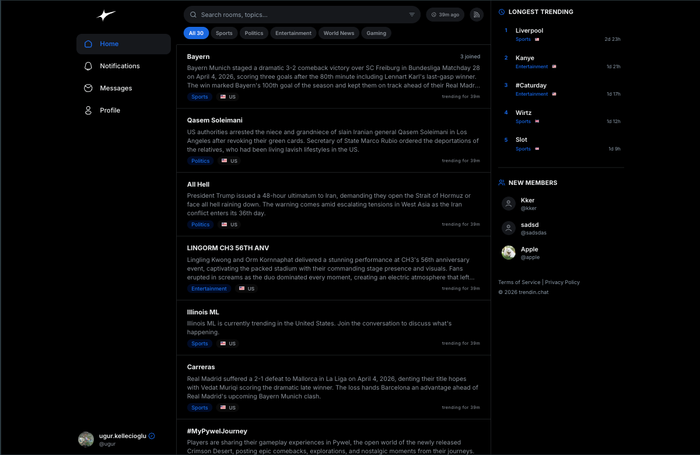
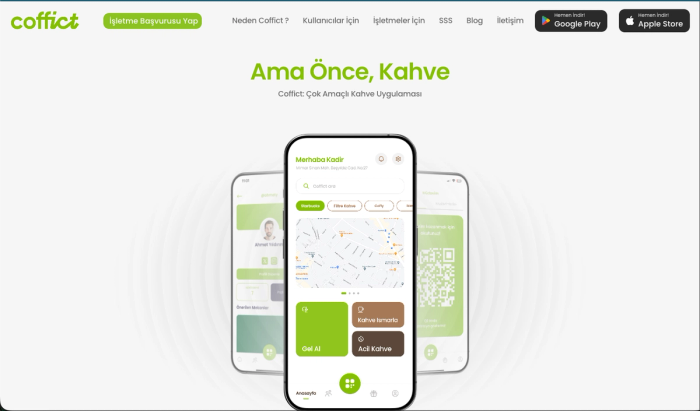
With Android at 52.62% and iOS at 47.37% of mobile use in September 2026, according to StatCounter, neither platform is a safe second phase. We build in React Native with Expo, so features, fixes and copy changes land in both stores from one TypeScript codebase. Coding agents produce the volume: screens, navigation, list rendering, form validation and the tests around them, each change passing type checks, lint and tests before an engineer reads it. Engineers own token storage in the iOS Keychain and Android Keystore, auth refresh, offline and reconnection behaviour, and permission prompts. TrendinChat (trendin.chat), real-time trending-topic chat rooms, was built in React Native in two weeks, and Coffict (coffict.com) handles coffee ordering, rewards and cafe discovery, both for clients in Türkiye.
The Irish rules on storing or reading information on a device sit in Statutory Instrument No. 336/2011, the Irish ePrivacy Regulations. Regulation 5(3) requires consent plus clear, prominently displayed information on the purposes, while regulation 5(5) exempts storage that is strictly necessary for a service the user explicitly requested. The Data Protection Commission's cookie guidance, last updated April 2020, says these rules generally apply to SDKs, pixel trackers and device fingerprinting as well as cookies. For an app, that means analytics and attribution SDKs stay off until the user agrees, the consent screen gives a reject option the same prominence as accept, no toggle starts switched on, and consent is asked again no later than six months after it was stored. We tie SDK initialisation to the stored consent state, so a refusal stops the data leaving the device.

Section 31(1) of Ireland's Data Protection Act 2018 sets the age for GDPR Article 8 at 16, so an app offered directly to children that relies on consent needs parental authorisation for users under 16. Preventative and counselling services are excluded under section 31(2). That has to be designed into onboarding: an age question, a route for a parent, and the reasonable effort to verify it that Article 8 asks of the controller. The stores add their own layer. Apple's age rating system now includes 13+, 16+ and 18+, with new questions developers had to answer by January 31, 2026. Both stores require account deletion that starts inside the app, and Google Play also wants a web link for deletion requests, disclosed in the Data safety form.

Payments and sign-in for mobile apps used in Ireland

Central Bank of Ireland statistics for July 2026 show mobile wallet (NFC) payments at €2.14 billion of €2.98 billion in contactless point-of-sale spending, up 26.28% year on year, so most contactless spending on Irish-issued cards already goes through a phone wallet. Inside an iOS app, Apple says its EU terms effective 1 October 2026 allow alternative payment processing alongside In-App Purchase, at a 20% commission, or 10% for program participants and for subscriptions after their first year. Sign-in needs settling early: the MyGovID partner portal states that only Public Sector Bodies can enrol as Relying Partners, so a private app cannot offer MyGovID login. The Government Digital Wallet, linked to MyGovID, was in consultation and testing as of 22 July 2026; private providers that conduct strong customer authentication must accept EUDI wallets by the end of 2027. Whichever payment route you choose, engineers keep entitlement checks on the server.

Store review, privacy declarations and shared working hours

Store review is where privacy work becomes visible. Since August 31, 2026, new apps and updates on Google Play must target Android 16 (API level 36) or higher. Every Play app must keep its Data safety form accurate, including data collected through third-party SDKs, and Apple requires approved reasons in the privacy manifest for each required-reason API the code uses. Agents draft the store metadata and list the SDKs in the dependency tree; an engineer checks the declarations against what the app actually does, because a mismatch can block updates. The calendar is easy to share: Irish time runs two hours behind Ankara in summer and three in winter, so most of our working day falls inside yours.

Questions

The things people ask before starting.

Should we launch our app on iOS or Android first in Ireland?

Usually both at once. StatCounter's September 2026 figures show 52.62% Android and 47.37% iOS, so either single-platform launch leaves close to half of potential users out. With React Native, one TypeScript codebase serves both stores, so a simultaneous launch costs far less than building the app twice.

Can my app offer MyGovID login in Ireland?

No. The MyGovID partner portal states that only Public Sector Bodies can enrol as Relying Partners, so a private app cannot offer MyGovID sign-in. Private providers that conduct strong customer authentication must accept EU Digital Identity Wallets by the end of 2027, and other private services may choose to support them.

Do apps for teenagers in Ireland need parental consent?

Yes, where the app relies on consent and is offered directly to children under 16. Ireland's Data Protection Act 2018 sets the Article 8 age at 16, with preventative and counselling services excluded. That shapes onboarding and when analytics may start for younger users. It is worth confirming with a lawyer how it applies to your app.

How much does it cost to have a mobile app built for users in Ireland?

Work runs as AI-accelerated development, starting from $2,000 per month, with scope agreed in writing. The MVP puts auth, a database and the core flow in production; the full app adds admin, integrations, payments, roles and reporting. Both figures are published US dollar starting points rather than quotes, and the real scope and budget are set down in writing once we have held a discovery call.

How it starts

What happens after you write to us.

  1. 01

    You describe the product

    One paragraph on what you are building, roughly when you need it, and who it is for. No brief, no form with fifteen fields.

  2. 02

    You get a reply within a day

    From the engineer who would do the work, not a sales team. If we are not the right fit we say so, and where possible we point you somewhere better.

  3. 03

    You get a scoped plan

    Scope, price and timeline in writing before anything is committed. You decide with the numbers in front of you.

No long contract to begin, no lock-in to our tooling, and the code is yours from the first commit.

Start a conversation
Contact

Looking for an engineering partner for the long haul?

A short note about the product, the timeline and who it is for is enough to start. You will hear back from the engineer who would do the work, not a sales team.

Ankara / Türkiye · Working across European and US time zones