Skip to content
Slovenia · Agentic mobile development

Agentic Mobile App Development for Teams in Slovenia

Most phones in Slovenia run Android. StatCounter puts Android at 66.04% and iOS at 33.95% of mobile operating system share there in September 2026, so an iOS-only launch misses most of the market. The harder problems sit under the screens: analytics SDKs that need prior consent under national rules, a digital consent age below the GDPR default, and store declarations that must match what the code actually does.

Curiosive is a software studio in Ankara, Türkiye. We build iOS and Android apps from one React Native codebase, with AI coding agents doing the volume and a senior engineer reading each change before it lands. We work remotely, and the clocks sit close: Ankara is ahead by one hour in summer and two in winter, so most of a normal office day is shared.

24
published portfolio projects
5+
years building for production
12
countries the work runs in
100%
of code read by a senior engineer
1 day
to hear back, from the engineer

React Native for Android and iOS users in Slovenia

Given that split, launching on one platform first leaves a large group of users waiting. React Native lets one TypeScript codebase reach both stores, so the question becomes when to submit, not what to build twice. Slovenian is the country's official EU language, so the interface, store listings and permission prompt texts should be planned in Slovenian from the first screen rather than added as a translation pass at the end. The stores keep moving as well. Since August 31, 2026, new apps and app updates on Google Play must target Android 16 (API level 36) or higher, and every new or updated upload to App Store Connect needs approved reasons in the app's privacy manifest for each required-reason API the code uses.
Article 225 of the Electronic Communications Act (ZEKom-2) governs cookies and any storage of or access to data on a user's device, and its scope includes mobile apps alongside pixels and browser fingerprinting. The Information Commissioner's cookie guidelines (version 2.0, 15 December 2023) say analytics cookies, including third-party tools such as Google Analytics, are never strictly necessary and need prior, active consent rather than an opt-out. They also treat a banner with no reject button on the first layer, or with pre-ticked boxes, as non-compliant. Because Article 225 reaches apps, the safe build keeps analytics and attribution SDKs off until the user agrees, with reject next to accept on the first consent screen. Those SDKs then have to be declared in Google Play's Data safety form, which must stay accurate and complete at all times.

Article 8 of ZVOP-2, the national Personal Data Protection Act, makes a child's consent to an information society service valid from age 15, one year below the GDPR default of 16. Under 15, consent counts only if a parent, guardian or other person with parental responsibility gives or approves it, and if the provider's own terms of business set a higher minimum age, that age applies instead. For an app with sign-up, this decides whether you need an age question, a parental approval step, or terms that simply exclude younger users. It also has to line up with the age rating you declare: Apple's updated system adds 13+, 16+ and 18+ to the existing 4+ and 9+ ratings. These are product decisions, so we settle them with you before agents build the onboarding screens.

Flik, Apple's EU payment terms and eOsebna sign-in

Flik is Slovenia's bank-backed instant mobile payment service, offered with banks such as NLB, OTP, Intesa Sanpaolo and UniCredit. Its documented route is a web shop checkout added through the merchant's own bank, usually as an extension of the existing card integration: the shopper enters a phone number instead of card details, approves in the Flik app, and funds arrive in real time, 24/7. Digital goods sold inside an iOS app follow different rules. Apple says its EU terms effective 1 October 2026 allow alternative payment processing alongside In-App Purchase, at a 20% commission, or 10% for program participants and for subscriptions after their first year. Biometric sign-in is already familiar from national identity: a 19 January 2026 government presentation describes logging in to SI-PASS with the eOsebna virtual ID card using face or fingerprint biometrics. If your app adds Face ID login, the biometric check stays on the device and only a token goes into Keychain or Keystore.

What agents build and what engineers own in a mobile app

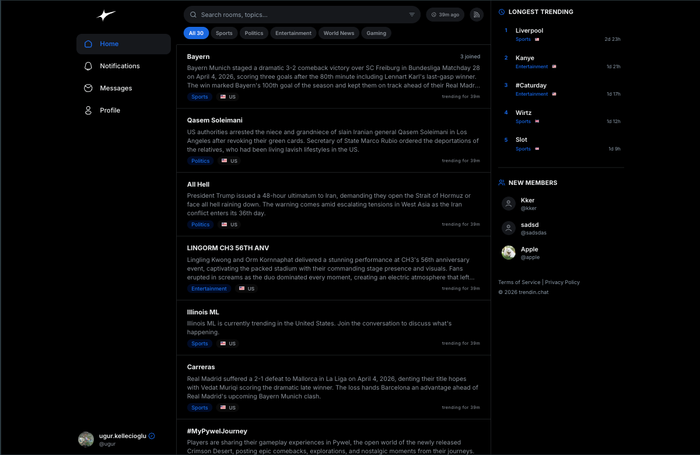
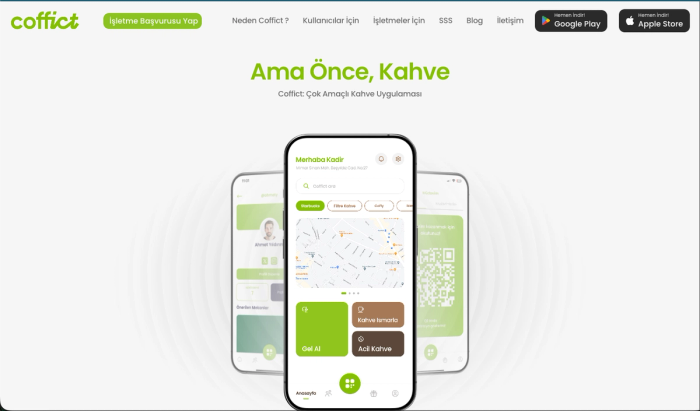
An engineer scopes each task with acceptance criteria and states what the agent may not touch. Claude Code or Cursor then builds screens, navigation, list rendering, form validation, Slovenian string files, tests and first drafts of store metadata, then must pass type checks, lint and the tests before any change is put up for review. No agent merges its own work. Engineers keep the parts that can hurt users: token storage, auth refresh, server-side entitlement checks, offline and reconnection behaviour, the analytics consent gate, the parental approval step for under-15s, permission prompts and the privacy declarations for store review. TrendinChat (trendin.chat), real-time trending-topic chat rooms for a client in Türkiye, was built in React Native in two weeks, and Coffict (coffict.com), a coffee ordering and loyalty app, runs on the same framework.

Questions

The things people ask before starting.

Should a new app in Slovenia launch on Android or iOS first?

Both, if one React Native codebase fits the budget. StatCounter's September 2026 figures put Android at 66.04% and iOS at 33.95% of mobile operating system share in the country, so either single-platform launch leaves out a large part of the market. A shared codebase stops the second store from doubling the build.

Do analytics SDKs in a Slovenian mobile app need user consent?

Yes, in the Information Commissioner's reading. Its cookie guidelines say analytics, including tools such as Google Analytics, are never strictly necessary and need prior, active consent, and Article 225 of ZEKom-2 covers mobile apps as well as websites. The SDKs should stay off until the user agrees, with a reject option on the first screen.

At what age can a teenager in Slovenia sign up to an app without a parent?

From 15. Article 8 of ZVOP-2 makes a child's consent to an information society service valid from that age. Younger users need a parent or guardian to give or approve consent, and a higher minimum age in your terms of business takes priority. It is worth confirming the details for your app with a lawyer.

How much does mobile app development cost for a startup in Slovenia?

There is a single offer: AI-accelerated development from $2,000 per month. Scope and capacity are set in writing once a discovery call has defined the app. Repository, database and hosting accounts sit in your name or in accounts you already hold, so nothing about the app is tied to the studio's tooling.

How it starts

What happens after you write to us.

  1. 01

    You describe the product

    One paragraph on what you are building, roughly when you need it, and who it is for. No brief, no form with fifteen fields.

  2. 02

    You get a reply within a day

    From the engineer who would do the work, not a sales team. If we are not the right fit we say so, and where possible we point you somewhere better.

  3. 03

    You get a scoped plan

    Scope, price and timeline in writing before anything is committed. You decide with the numbers in front of you.

No long contract to begin, no lock-in to our tooling, and the code is yours from the first commit.

Start a conversation
Contact

Looking for an engineering partner for the long haul?

A short note about the product, the timeline and who it is for is enough to start. You will hear back from the engineer who would do the work, not a sales team.

Ankara / Türkiye · Working across European and US time zones