Skip to content
California · Agentic SaaS development

SaaS Development for California: Tax, Renewals and Opt-Outs

A common mistake in a California SaaS plan is assuming subscription software stays outside sales tax. As of October 2026, CDTFA Regulation 1502 treats a prewritten program delivered by remote telecommunications, with no tangible personal property changing hands, as not taxable. From January 1, 2027, California taxes digital products, and those include prewritten SaaS. A billing system designed this year without a tax line, customer location data and a registration plan is built for rules that are about to change.

Curiosive, a studio in Ankara, Türkiye, builds subscription products this way: AI coding agents do the volume and a senior engineer reviews every change. Engineers design the tenant model, billing webhooks and entitlement logic; agents produce the CRUD screens, admin views, migrations and tests around them. Ankara's working day falls while California sleeps, so decisions move through written handoffs plus one short weekly call.

24
published portfolio projects
5+
years building for production
12
countries the work runs in
100%
of code read by a senior engineer
1 day
to hear back, from the engineer

For US founders and product teams

A US company. An engineering partner you can keep.

Curiosive LLC is our US-registered company. Engineering is led from Ankara, Türkiye, with collaboration across European and US time zones. Your engagement starts with a written scope, monthly capacity and a clear delivery plan.

Know who you hire

Curiosive LLC provides the services. Our US company details and service terms are published, and pricing is in USD.

Know what will ship

Agree scope, capacity and start date before checkout. Work through a prioritized queue, with senior engineers reviewing changes before they reach production.

Keep ownership

Typed, tested and documented code, with no lock-in to our tooling. Define repository access, handover and the working-hour overlap during discovery.

Sales tax on SaaS in California before and after January 2027

Under Regulation 1502, selling or leasing a prewritten program is not a taxable transaction when it is transferred by remote telecommunications and the purchaser obtains no tangible personal property such as storage media. Tax applies when the program is delivered on physical media. SB 122, signed on June 29, 2026, changes that. CDTFA Special Notice L-1036 (September 2026) says that from January 1, 2027, California taxes digital products: prewritten software transferred on tangible media, transferred electronically or accessed remotely, which includes prewritten SaaS. Custom computer software is exempt, and cloud platforms that let customers run their own applications are excluded. Out-of-state sellers engaged in business in California must register for a Certificate of Registration (Use Tax). The statewide sales and use tax rate is 7.25%, and in most areas local jurisdictions add district taxes of 0.10% to 2.00%.
Billing that charges California tax by customer location

District taxes differ by area, and some places add more than one, so a single statewide rate is not enough. The billing system needs the customer's address at checkout, a tax amount calculated per invoice and stored with the rate that applied, and a clear line between prewritten subscription plans and any custom software work billed separately. CDTFA's remote seller rule, in force since April 1, 2019, requires registration once sales of tangible personal property for delivery in California exceed $500,000 in the preceding or current calendar year, and the Supreme Court's June 21, 2018 Wayfair decision overruled the physical-presence rule. How these thresholds apply to digital products from 2027 is worth confirming with an accountant before launch. The tax step works best as its own module, with agents writing test cases for every plan, upgrade, refund and proration path, and an engineer reviewing every total.

California's Automatic Renewal Law and the subscription cancel flow

For contracts entered into, amended or extended on or after July 1, 2025, the Automatic Renewal Law (Business and Professions Code §17602, as amended by AB 2863) requires express affirmative consent to the renewal terms and lets a consumer who signed up online cancel exclusively online, at will. Annual plans need an annual reminder. If the online cancel flow shows a discount or retention offer, a prominently located direct link or button entitled 'click to cancel' or similar must appear at the same time. Any fee change needs notice no less than 7 and no more than 30 days before it takes effect. Each rule maps to code: a consent record stored with the terms version, a cancel path that never dead-ends, and scheduled jobs for annual reminders and fee-change notices inside the 7 to 30 day window. Cancellation state should come from the payment provider's events, through handlers that stay idempotent when the same event arrives twice.

CCPA opt-out signals and Global Privacy Control in a SaaS product

If your business is subject to the CCPA, it must honor qualifying opt-out preference signals such as the Global Privacy Control browser setting, in most cases place a link such as 'Do Not Sell or Share My Personal Information' in the website header or footer, and act on opt-out requests within a maximum of 15 business days of receiving them. For a product with marketing pages, a web app and third-party analytics, that is engineering work rather than a footer edit. The signal has to be read on each request, tied to the signed-in account where there is one, and passed to every script and integration that could sell or share data, so that a browser setting changes what actually leaves the product. Storing each opt-out with its timestamp also leaves a record that the 15 business day limit was met.

Tenant isolation and entitlements in an agent-built SaaS

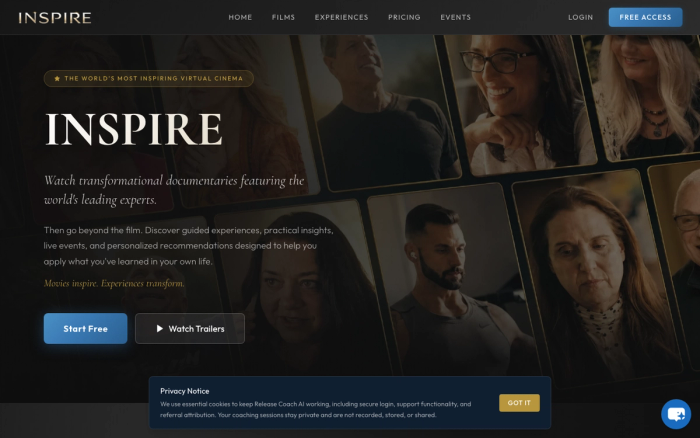
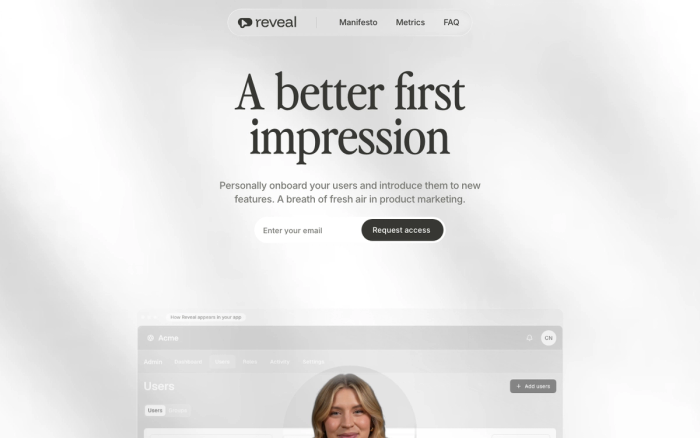
The boundaries that need a person are few but costly to get wrong: a query that forgets the tenant, an entitlement check that trusts the client, a payment event applied twice. The tenant model, the rules that keep one customer's rows invisible to another, plan logic and webhook handling are designed by an engineer before an agent touches the code. Agents then write the volume around them, including test suites that try to read across tenants and expect to fail. No agent merges its own change. The stack is PostgreSQL with Drizzle ORM, Hono and Next.js. Subscription work shown on our site includes PicKey (pickey.ai), a visual password manager with subscription billing, Reveal Software (reveal.software), personal video onboarding for SaaS products, and per-title entitlements in Inspire Film (inspire.film), for clients in India, Romania and Spain.

Questions

The things people ask before starting.

Is SaaS taxable in California in 2026?

Not for prewritten software delivered electronically with no tangible media: as of October 2026, Regulation 1502 treats that as non-taxable. From January 1, 2027, California taxes digital products, including prewritten SaaS, under its sales and use tax, which has a 7.25% statewide rate plus district taxes in most areas.

Is custom software we commission taxable under California's 2027 rules?

No. CDTFA's notice on digital products exempts custom computer software, while prewritten software and prewritten SaaS become taxable from January 1, 2027. What you then sell to your own subscribers is a separate question for your billing setup.

Do California subscribers need a click to cancel button?

Yes, whenever an online cancel flow shows a discount or retention offer, a prominent direct link or button entitled 'click to cancel' or similar must appear alongside it. For contracts made, amended or extended since July 1, 2025, consumers who signed up online must also be able to cancel online, at will.

How long does a SaaS company have to act on a California opt-out request?

At most 15 business days from receiving it. Businesses subject to the CCPA must also honor qualifying opt-out preference signals such as Global Privacy Control, so a browser setting can count as an opt-out and the product has to respond to it.

How it starts

What happens after you write to us.

  1. 01

    You describe the product

    One paragraph on what you are building, roughly when you need it, and who it is for. No brief, no form with fifteen fields.

  2. 02

    You get a reply within a day

    From the engineer who would do the work, not a sales team. If we are not the right fit we say so, and where possible we point you somewhere better.

  3. 03

    You get a scoped plan

    Scope, price and timeline in writing before anything is committed. You decide with the numbers in front of you.

No long contract to begin, no lock-in to our tooling, and the code is yours from the first commit.

Start a conversation
Contact

Looking for an engineering partner for the long haul?

A short note about the product, the timeline and who it is for is enough to start. You will hear back from the engineer who would do the work, not a sales team.

Ankara / Türkiye · Working across European and US time zones