Skip to content
Sweden · Agentic mobile development

Mobile App Development for Sweden: Returning From Sign-In

Updated

A mobile sign-in journey continues after the person leaves your app. They may return from a browser, cancel the request, lose connectivity or reopen the app after it has stopped. Before commissioning an integration, a Swedish product team needs an agreed answer to two questions: which sign-in attempt completed, and which task the person is now allowed to continue.

Curiosive builds remotely with engineering led from Ankara, Türkiye. Coffict and TrendinChat are published React Native references for clients recorded in Türkiye. They provide adjacent mobile product evidence, not a claimed Swedish delivery, BankID integration or audited authentication implementation. The return-flow requirements below would be newly scoped work. If BankID is being considered, its current integration requirements and the chosen provider arrangement need their own review; this page does not assume it is the right login for every app.

24
published portfolio projects
5+
years building for production
12
countries the work runs in
100%
of code read by a senior engineer
1 day
to hear back, from the engineer

Define what the person returns to after sign-in

Choose one protected task, such as opening a member-only event or reviewing a saved request. Document the starting screen, the permitted destination and what happens to any unfinished input. Separate a successful identity check from permission to read or change that particular record. Returning to the app should not itself submit an order, accept an agreement or merge two accounts. Decide which action still needs the person's confirmation. Agree Swedish and English wording for pending, cancelled, expired and failed attempts, with fluent review from the product team.
Keep the published mobile evidence in view

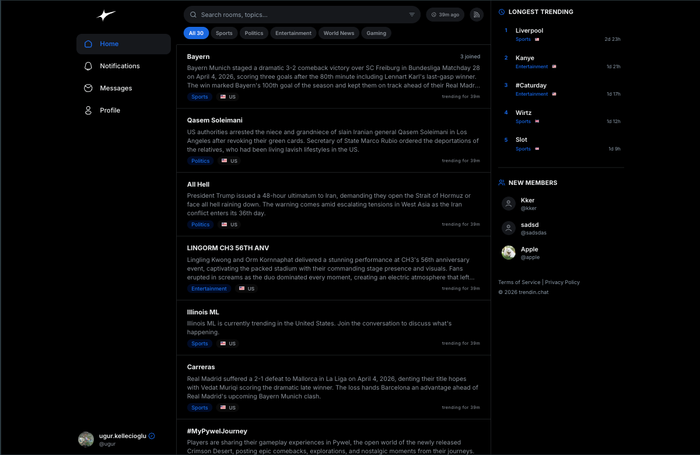
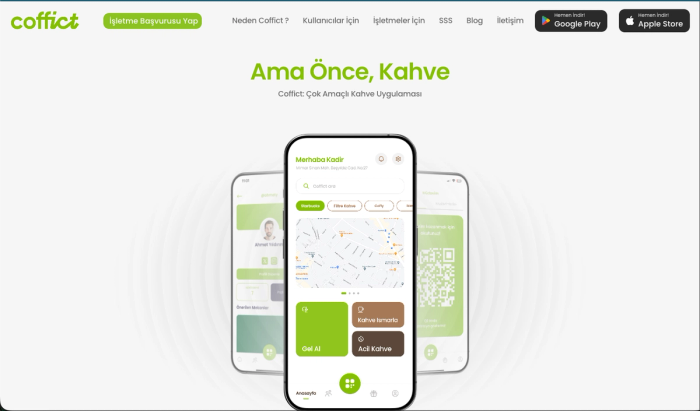
Coffict combines React Native coffee ordering, loyalty cards and local campaigns, alongside a Next.js web presence. TrendinChat connects topic discovery to addressable real-time rooms, using React, React Native, Supabase and WebSockets with Grok AI integration. These cases support experience with returning customer tasks and connected mobile interfaces. Their published scope does not establish a particular sign-in provider, callback policy, account-linking feature or security certification. A new Swedish app's authentication contract and acceptance evidence must be specified separately.

Review the chosen protocol before drawing the return screen

For a public native client using OAuth, RFC 8252 specifies an external user-agent for authorization and requires PKCE, the proof-key mechanism that protects authorization-code exchange. It also describes matching the response to the pending request and its redirect URI. Those are protocol-specific engineering requirements; an app merely coming back into view does not establish completion. Ask the integration owner to document where the result is verified and how the application session is established. Do not treat a browser OAuth flow as a description of every e-ID product or substitute this checklist for the chosen provider's current documentation.

Check both an open app and a fresh launch

React Native's Linking documentation distinguishes a URL event received while the app is already open from an initial URL that launches the app. A return journey needs acceptance checks for both. Define what can be recovered when the process has stopped, which pending context may be retained, and when the person must start a fresh attempt. If connectivity fails on return, show the agreed pending or recovery state until the result can be verified. Avoid presenting a loading indicator or successful app launch as proof that sign-in finished. Recovery of unfinished input needs an explicit retention and account-boundary decision.

Verify the release app and its return domain together

When the integration uses app-claimed HTTPS links, include domain association in the release handoff. Android checks Digital Asset Links for declared hosts; its documentation provides ways to inspect verification on a device. Apple's associated-domain setup pairs a website association file with the app's entitlement. A link working in a developer build does not by itself verify the distributed app's identifiers and configuration. Test the actual release variant on supported devices, including a return that stays in the browser. Agree a usable fallback that follows the provider's flow instead of assuming every phone will open the app automatically.

Rehearse cancellation, stale returns and changed accounts

Use fictional attempt A-21 to sign in before opening protected record R-4. Cancel A-21, start A-22 and complete the new attempt. Deliver A-21's delayed return: it must not replace A-22's session or continue R-4 under the old context. Repeat A-22's completed return and check that no confirmation or account-linking action happens twice. Run the same journey after the app has stopped and with connectivity unavailable at return. Finally, switch from account U-A to U-B before opening R-4; access must be checked for the current account, without showing U-A's unfinished input to U-B. These are proposed acceptance checks, not observed Coffict or TrendinChat behavior. Record the expected screen, permitted next action and observed result for each case.

Make failed returns diagnosable without collecting credentials

Agree a minimal support record: a non-secret attempt reference, app build, operating-system version, return path category and outcome. Keep tokens, authorization codes, personal identity numbers and complete callback URLs out of ordinary analytics and support screenshots. Define who can inspect the approved diagnostics and how long they remain available. Reproduce cancellation, expiry, no network and an unrecognized return as separate outcomes, with a clear next step in the interface. This diagnostic scope supports investigation; it is not a promise that every provider or device failure can be recovered without another sign-in.

Start with one provider and one protected task

Bring the intended provider documentation, supported device list, approved test identities and a fictional protected record. A bounded first release can demonstrate the open-app and fresh-launch returns, the cancellation and stale-attempt sequence, and the account-change check above. Name the owner of app identifiers, return domains, session verification and release acceptance. Curiosive's AI-accelerated development starts from $2,000 per month, with scope, capacity and operating responsibilities agreed in writing. Work is remote; this offer does not imply a Swedish office, a previously delivered Swedish e-ID integration or a compliance guarantee.

Questions

The things people ask before starting.

Does reopening the app mean sign-in succeeded?

No. The integration must verify the result for the pending attempt and establish the intended application session. The person may have cancelled, the attempt may have expired, or an old return may have arrived. Permission to open a protected record still needs to be checked for the current account.

Have the cited projects delivered BankID for a Swedish client?

No such delivery is claimed. Coffict and TrendinChat are recorded in Türkiye and provide adjacent React Native product evidence. Their published scope does not establish a BankID integration or a particular callback policy. Any provider integration described for a new Swedish app would be separately agreed work.

What should be tested when the app has stopped during sign-in?

Test the initial-link launch separately from a URL event in an open app. Define which pending attempt and unfinished input can be recovered, how the result is verified, and when a fresh attempt is required. Repeat with connectivity unavailable at return; do not assume that restarting the app restores a valid session.

Are App Links or universal links sufficient to authorize a user?

No. Domain association helps route a link to the intended app. The selected protocol still needs its result verification, pending-attempt checks and application-session handling. The application must separately decide whether that account may access the requested record or perform the next action.

Why test an old or repeated sign-in return?

A delayed return from a cancelled attempt must not replace a newer session, and a repeated completed return must not repeat a confirmation or account-linking action. The proposed A-21 and A-22 exercise makes those outcomes reviewable on the chosen provider and release devices; it does not assert historical behavior in the portfolio projects.

How it starts

What happens after you write to us.

  1. 01

    You describe the product

    One paragraph on what you are building, roughly when you need it, and who it is for. No brief, no form with fifteen fields.

  2. 02

    You get a reply within a day

    From the engineer who would do the work, not a sales team. If we are not the right fit we say so, and where possible we point you somewhere better.

  3. 03

    You get a scoped plan

    Scope, price and timeline in writing before anything is committed. You decide with the numbers in front of you.

No long contract to begin, no lock-in to our tooling, and the code is yours from the first commit.

Start a conversation
Contact

Looking for an engineering partner for the long haul?

A short note about the product, the timeline and who it is for is enough to start. You will hear back from the engineer who would do the work, not a sales team.

Ankara / Türkiye · Working across European and US time zones