React Native

React Native mobile app development

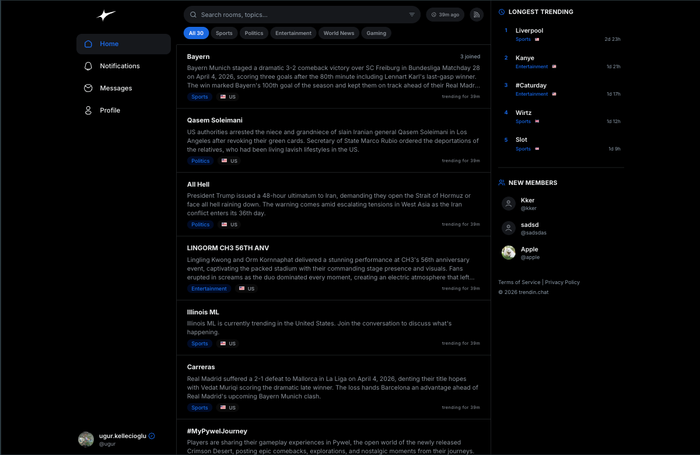
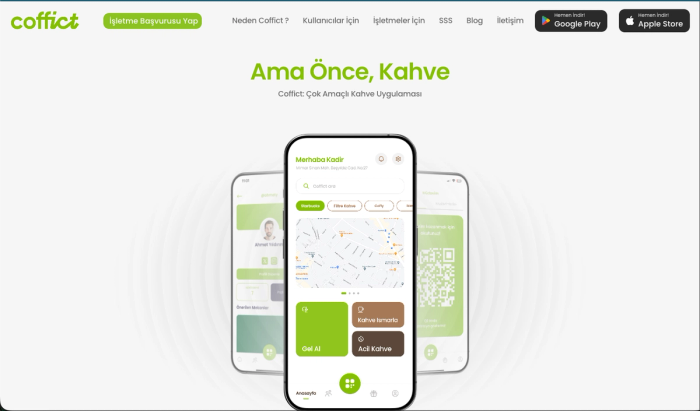
We ship to both app stores from a single React Native codebase. Coffict's coffee ordering and loyalty app and TrendinChat's mobile client were both built this way.

Cross-platform is not the right decision for every product. This page covers where it pays off and where we send clients toward native development instead, along with the parts of a mobile project that people tend to underestimate.

01

The real gain from one codebase

The gain is not only build time, it is maintenance. When Coffict's ordering flow changes, it changes in one place and ships to both platforms together. Sharing the same design language and the same type definitions with the web product also matters a great deal while the team is small. Running two separate native teams is a cost most early-stage products simply cannot carry, and pretending otherwise usually ends with one platform quietly falling behind the other.

02

When we recommend native instead

If your product does real-time work that leans hard on the camera, involves heavy graphics, or puts wearable device integration at the centre, we do not recommend React Native. Continuous background location tracking is another painful area. In these cases the bridge layer produces behaviour you did not expect, and you hand back the time you saved in debugging sessions. This is better to hear before the contract is signed than after the first sprint.

03

Store processes are part of the scope

Finishing the app is half the work. App Store and Google Play submission, certificates, privacy declarations and the correction loop when something gets rejected are all a separate line item. We include this in scope from the start, because bolting it on later pushes the launch date. We also recommend the store accounts are opened in your name: ownership of the app should stay with you, not with the studio that built it.

04

Offline and poor connections

Connectivity on mobile does not behave the way it does on the web. In TrendinChat, the socket connection drops when the app goes to the background and has to resume where it left off when the user returns. Keeping user data locally and queueing synchronisation prevents the errors that come from a request disappearing mid-flight. We design this behaviour while building the data model, not as a patch at the end of the project.

Questions

The things people ask before starting.

Can we ship both iOS and Android from one app?

Yes, that is our standard approach. Platform-specific behaviour can still be written separately where it is genuinely needed, but the bulk of the screens stay shared. Full app development starts from $10,000, with scope confirmed after discovery.

Can it use the same account system as our website?

Yes. We keep authentication and the database in one place so mobile and web connect to the same accounts. In Coffict the loyalty balance is held server-side and read the same way from either client.

How long do store updates take?

Review times vary by platform and are outside our control. That is why we try to design urgent fixes so they do not require a store update at all, which keeps your recovery time out of someone else's review queue.

Do you provide maintenance after launch?

Yes. Operating system versions and store rules keep changing, so the app needs updating to match. Ongoing support of 20 hours a month is $800, and this kind of upkeep is exactly what it covers.

Contact

Looking for an engineering partner for the long haul?

A short note about the product, the timeline and who it is for is enough to start. You will hear back from the engineer who would do the work, not a sales team.

Ankara / Türkiye · Working across European and US time zones