Skip to content
Switzerland · Agentic mobile development

Mobile App Development for Swiss Teams: Language and State Continuity

Updated

A Swiss team planning German and French app versions needs to review more than translated labels. A person may change the app language while completing a task, return after a restart or use a device with different regional settings. The useful scope defines which preferences change, which records stay the same and how an unfinished task is recovered.

Curiosive works remotely with engineering led from Ankara, Türkiye. Coffict and TrendinChat are published React Native references recorded in Türkiye. They demonstrate mobile product work, not a Swiss customer delivery or the multilingual recovery behavior proposed here. Your team supplies the supported languages, approved copy and operating requirements; we agree the native integration and acceptance checks around one complete journey.

24
published portfolio projects
5+
years building for production
12
countries the work runs in
100%
of code read by a senior engineer
1 day
to hear back, from the engineer

Choose one task and name the language owner

Bring a representative journey such as selecting an item, editing a draft and returning to its review screen. Agree the languages for the first release and who approves labels, errors, confirmations and any system-facing copy. Record which device and operating-system versions the team will support. A language appearing in a menu should correspond to an accepted experience, including the fallback when content is missing. Payments, identity providers and analytics SDKs need their own requirements; language support does not establish those integrations or their permissions.
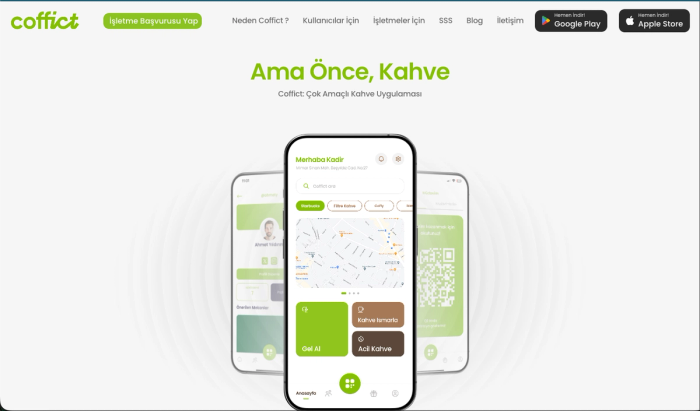
Use delivered React Native products as the reference

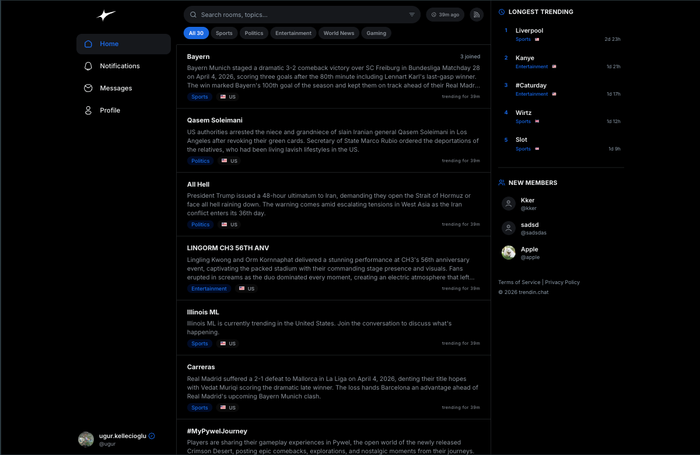
Coffict's Türkiye-recorded project combines React Native order-ahead, loyalty rewards and local cafe campaigns, alongside a Next.js web presence. TrendinChat's Türkiye-recorded product uses React and React Native for topic-based rooms, with Supabase and WebSockets behind real-time conversations. These are relevant examples of mobile interfaces connected to maintained product data. The published cases do not establish Swiss payment integration, German/French language support or a particular draft-restoration policy. Those would be new requirements with their own acceptance evidence.

Separate language preferences from the underlying records

The interface language, regional display format and product data are different choices. Decide whether the language preference belongs to this installation, the signed-in account or both, and what happens after sign-out. Keep item identifiers, quantities and the approved amount/currency pair stable when labels change. A change to date formatting must not silently reinterpret the stored event time. Review approved number and date examples with the language owner on the actual supported devices; a browser preview is not evidence for every native runtime. Any currency conversion or different commercial offer needs a separate product decision.

Review native language selection and lifecycle together

Android documents per-app language settings and APIs that can differ from the device language. It also notes that AppCompatDelegate.setApplicationLocales recreates the Activity unless the app handles the relevant configuration changes itself. That is a platform behavior to assess against the chosen native integration, not an assumption that every React Native application behaves identically. Specify how language selection, navigation and draft state are restored after the transitions that integration causes. Test an in-app choice, an operating-system setting and a cold relaunch where supported, including the fallback for an unavailable language.

Accept longer labels and larger text in the same journey

Review the approved copy in navigation, form fields, error messages and confirmation screens, rather than testing an isolated translated heading. Include a narrow device and the text-size settings the product intends to support. React Native's Text documentation describes allowFontScaling as respecting the user's Text Size accessibility setting. Check the resulting layout, readable errors, actionable controls and screen-reader labels in the selected build. A clipped confirmation action is a workflow problem even if all translation keys exist. These checks support usability; they do not certify language quality or regulatory conformance.

Rehearse a language change with an unfinished draft

For a fictional user U-104 and draft D-17, agree a preserve-draft policy for this example. Add two items in German, switch to French and check the same item references, quantities, approved amount/currency pair and unsubmitted state. Increase text size and complete the review screen without losing the main action. Relaunch the app: the chosen language and draft follow the agreed restoration policy, rather than silently submitting the task. Sign out and use another account; private draft data must follow the defined account boundary. Finally, select an unsupported device language and review the approved fallback. Keep these observations with the app build and device versions. This is a proposed acceptance packet, not a claim about Coffict or TrendinChat's historical behavior.

Check store information separately from the installed app

Apple distinguishes localized App Store Connect metadata from languages added to the app binary. Treat the store description, screenshots and installed experience as separate release items with named reviewers. A translated listing does not establish that the corresponding app journey works. Confirm what is included in the release, which copy remains pending and who owns submission and later corrections. The European website guide covers public pages, content publication and URL relationships; native language settings and app state need the additional device checks above.

Agree a bounded first release and a repeatable handoff

Start with one mobile task, the selected languages, approved copy, device coverage and the language-change/relaunch exercise. Inspect an existing app's native setup and state storage before estimating a rewrite. The handoff should identify the reviewed build, test devices, language owner and the procedure for correcting a string or restoring a prior release. Curiosive's AI-accelerated development starts from $2,000 per month, with scope, capacity and operating responsibilities agreed in writing. Work is remote; this page does not claim a Swiss office, Swiss client results or a completed local payment integration.

Questions

The things people ask before starting.

Are the cited mobile projects Swiss client deliveries?

No. Coffict and TrendinChat are recorded in Türkiye. They supply React Native product evidence. Swiss language choices, native language-setting integration and the draft/account acceptance packet here would be separately scoped work, not features inferred from those cases.

Should changing the language erase an unfinished task?

Agree the product's policy before implementation. The worked example uses a preserve-draft policy, then checks the selected integration through language changes and relaunch. Record which state is restored and which information remains private to the account; do not assume platform language APIs provide the product's recovery behavior automatically.

Does switching the interface language change prices or stored dates?

Presentation preferences should follow an explicit product policy. In the proposed acceptance packet, identifiers, quantities, the approved amount/currency pair and the underlying event time remain stable while labels and display formatting change. Conversion or a different offer is separate scope.

Does a translated App Store listing localize the installed app?

No. Apple documents store metadata separately from app-binary localization. Review the listing and a complete journey in the installed build independently, with the language owner approving the copy and the supported device behavior.

What should we bring to discovery?

An existing app or representative task, supported languages and devices, approved labels and error copy, account roles and a draft that must survive an agreed transition. Name the language reviewer, release owner and the person deciding fallback, sign-out and recovery policies.

How it starts

What happens after you write to us.

  1. 01

    You describe the product

    One paragraph on what you are building, roughly when you need it, and who it is for. No brief, no form with fifteen fields.

  2. 02

    You get a reply within a day

    From the engineer who would do the work, not a sales team. If we are not the right fit we say so, and where possible we point you somewhere better.

  3. 03

    You get a scoped plan

    Scope, price and timeline in writing before anything is committed. You decide with the numbers in front of you.

No long contract to begin, no lock-in to our tooling, and the code is yours from the first commit.

Start a conversation
Contact

Looking for an engineering partner for the long haul?

A short note about the product, the timeline and who it is for is enough to start. You will hear back from the engineer who would do the work, not a sales team.

Ankara / Türkiye · Working across European and US time zones