Offshore development partner

An Honest Look at Offshore Development

Offshore development has a reputation, and parts of it are earned: account managers between you and the engineers, developers swapped out without notice, and code that finally arrives as a zip file with no explanation attached. It is worth naming that before making a case. Curiosive is a small studio run from Ankara, Türkiye, working directly with founders and product teams, shipping production software for more than five years with 16 live products.

For a European client this is nearshore. For a US client it is offshore with a workable afternoon overlap. Either way, the things that decide whether it works are unglamorous: how many hours you actually share, how clearly the contract defines scope, and whether IP ownership is unambiguous from the first day rather than negotiated at the end.

01

Time zone overlap, stated in specifics

Türkiye time sits ahead of Western Europe by a small margin and ahead of the US East Coast by a larger one. In practice that means European teams share almost a full working day with us and can hold calls at ordinary hours, while US teams get a real window in our late afternoon, their morning. A question sent when New York wakes up gets an answer that day rather than the next. We schedule live conversations inside those windows and keep deep development work outside them.
02

Joining a codebase that already exists

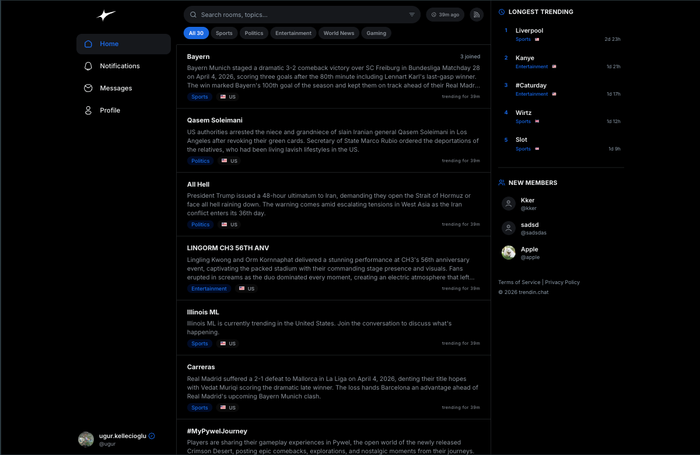
When we build on a running system, the first week goes to reading rather than writing: repository layout, deployment pipeline, test coverage and how your team reviews code. Then we follow your sprint cadence, branching strategy and pull request rules instead of building a separate island beside them. RateItAll is a legacy platform we revived, now carrying more than 12 million reviews, and Zing Coach was a full replatform from Webflow to Next.js. Both were existing systems before we touched them.

03

Contracts, NDAs and procurement

On the corporate side the engineering is often the easy part. Vendor approval, contract wording, an NDA, data processing obligations and a payment schedule are what actually move the start date. We sign an NDA before discussing sensitive technical detail, and we write the statement of work so a procurement reviewer can read it without a translator. If approval drags, carving discovery out as a small standalone first package usually beats putting the whole engagement on hold.

04

IP ownership and how you leave

Delivered code and assets are yours. Development happens in your repository, hosting and database access stay in your accounts, and the ownership clause is settled in the contract before work starts rather than discussed once there is something worth arguing about. We document architecture decisions and local setup so another team can pick it up. Making it cheap to leave is the point: an offshore partner you stay with because switching is painful is not a partner, it is a hostage situation.

Questions

The things people ask before starting.

Is the time difference a problem for a US team?

It is a constraint, not a blocker. Our late afternoon is the US East Coast morning, which gives a real shared window every working day. West Coast overlap is narrower, so those engagements lean harder on asynchronous updates and a weekly call at a fixed time.

Who owns the intellectual property?

You do. Delivered code and assets belong to you, development runs in your repository, and hosting and database accounts stay under your control. The ownership clause is agreed in the contract before work begins, so there is no grey area to argue about later.

Will you sign an NDA and work through our procurement process?

Yes. We sign an NDA before going into sensitive technical detail, and we write the statement of work in language a procurement reviewer can assess without an engineer present. If your approval cycle is long, we can start with a small standalone discovery package.

How do we start without committing to a large budget?

Most engagements start small. Landing work begins at $2,000, MVPs at $5,000, and continuous capacity runs on a retainer of $800 per month for 20 hours. Those are starting points, and the final scope is agreed in writing after a discovery call.

Contact

Looking for an engineering partner for the long haul?

A short note about the product, the timeline and who it is for is enough to start. You will hear back from the engineer who would do the work, not a sales team.

Ankara / Türkiye · Working across European and US time zones